


 русский
 Français
 Español
 Indonesia
 عربى
عربى



A bathroom door that swells slightly after a few humid showers, sticking just enough to need a shoulder bump to close properly — that's the kind of small daily annoyance that eventually pushes homeowners toward rethinking what a door is actually made of. PVC doors picked up traction largely because they sidestep this exact problem without asking anyone to compromise on how a room looks.
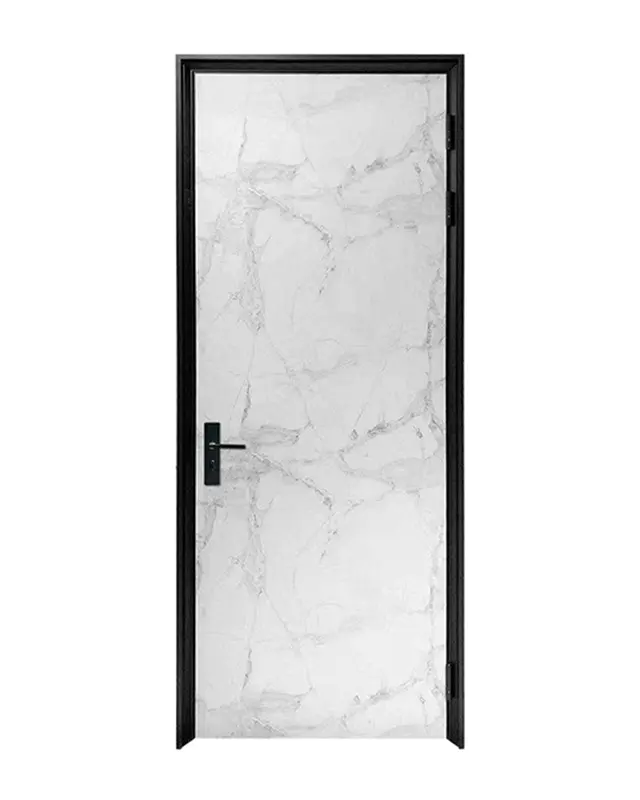
Why Doors Stopped Being an Afterthought
There was a time when a door just needed to open, close, and provide some privacy. Nobody thought much beyond that. Now people notice when a door swells in humid weather, scuffs easily near a doorknob, or looks out of place against updated flooring after a renovation.
Part of this shift comes from how much time people actually spend at home now. Work happens there, relaxation happens there, and every room gets used more hours a day than it used to. That extra use exposes weaknesses in materials that might have gone unnoticed with occasional use.
| Changing Preference | Influence on Home Design |
|---|---|
| More time spent indoors | Wear and tear shows up faster, pushing interest toward durable materials |
| Personalized interior choices | Homeowners want doors that match a specific look, not just whatever's available |
| Less patience for upkeep | Materials that resist stains and moisture become more appealing |
| Rooms serving multiple purposes | Doors need to hold up to more frequent opening and closing |
None of this is really about doors becoming more advanced. It's about a basic household item finally getting judged by the same standards people apply to everything else in their home.
What This Material Actually Solves
A Polyvinyl Chloride Door is made from a synthetic material designed to handle moisture exposure while maintaining its form during repeated contact with humidity. This feature becomes important in spaces where water and steam are part of everyday use.
A bathroom door made from a material that absorbs moisture easily may begin to swell and rub against the frame after regular hot showers. A kitchen door near cooking areas also encounters steam and grease splashes. These are common household situations, but they show why choosing the right door material can make a difference.
| Residential Area | Why Material Matters Here |
|---|---|
| Bedrooms | Handles regular opening and closing without loosening over time |
| Bathrooms | Resists warping from steam and humidity buildup |
| Kitchens | Wipes clean easily after grease or food splashes |
| Utility rooms | Holds up to frequent, sometimes rough daily use |
How a Door Ends Up Matching a Room Instead of Just Filling a Gap
Choosing a door used to mean picking whatever fit the opening. Now people think about how the door's surface finish plays against the flooring, whether the color works with the wall paint, and whether the overall shape feels right next to nearby furniture.
This shift happened gradually as renovation culture grew — people started treating small details, doors included, as part of a room's overall design rather than a separate afterthought bought last. A door with a flat, plain surface might feel too stark in a room full of texture and warmth. One with too much visual detail might clash with a simpler, more minimal room.
Considerations that come up during this kind of planning include:
- How the surface finish reflects or absorbs light in the room
- Whether the door's color reads as too cold or too warm against nearby walls
- Whether the shape and panel style feel consistent with the rest of the home
- How the door holds up visually over years, not just on installation day
A PVC door tends to work across a range of these considerations because its surface can be finished in ways that suit different aesthetic goals without requiring a completely different underlying material for each style.
Why Cleaning Routines Actually Drive Purchasing Decisions
Nobody enjoys scrubbing a door, and that reluctance shapes buying decisions more than people admit. A door that shows fingerprints easily near the handle, or one that needs a specific cleaning product to avoid damage, becomes a source of quiet frustration over time.
| Maintenance Need | Why It Matters Day to Day |
|---|---|
| Simple wipe-down cleaning | Saves time during regular household cleaning |
| Surfaces that resist staining | Keeps the door looking presentable without special products |
| Appearance that holds up over years | Avoids an early, unwanted replacement |
| Low daily upkeep | Fits into busy routines without adding another chore |
A parent wiping down a kitchen door covered in small handprints after dinner doesn't want to think about whether the cleaning product will damage the finish. That's a small, specific moment, but it's exactly the kind of situation material choice quietly solves or complicates.
Fitting Into Different Interior Styles Without Standing Out Awkwardly
Homes don't all follow the same design direction. Some lean toward clean, simple lines with minimal ornamentation. Others favor a warmer, more layered look with visible texture and pattern. A door material that only works with one of these styles limits a homeowner's options later if tastes shift.
| Interior Style | What the Door Needs to Support |
|---|---|
| Modern | Clean, unfussy lines without excess detail |
| Contemporary | Enough flexibility to pick up new finish trends |
| Minimalist | A smooth, understated surface that doesn't compete for attention |
| Everyday family homes | Practical durability that survives daily wear without looking worn |
A PVC door's surface can often be adjusted to lean toward any of these directions, which matters for homeowners who might redecorate a room every several years without wanting to replace every door each time.
What Renovation Projects Actually Reveal About Door Choices
Anyone who's gone through a renovation knows how much attention shifts toward doors once flooring and paint decisions are finalized. A door that looked fine against old flooring can suddenly feel mismatched once the surrounding materials change.
Renovation-driven priorities tend to include:
- Making sure new doors coordinate with updated flooring and wall colors
- Choosing materials that won't need replacing again after a short stretch of years
- Finding doors that fit standard openings without custom modification
- Balancing visual upgrades with a reasonable renovation budget
A homeowner mid-renovation often ends up comparing several door materials side by side, weighing how each one holds up against daily use versus how much it costs to install and maintain.
Why Material Choice Carries More Weight Than People Expect
The material behind a door affects far more than how long it lasts. It shapes how the door feels when it closes, how it responds to seasonal humidity changes, and how much attention it demands to keep looking decent.
| Material Factor | Real Impact on the Home |
|---|---|
| Appearance | Sets the tone for how the room feels overall |
| Practicality | Determines how well the door handles daily bumps and use |
| Maintenance | Affects how much time gets spent cleaning or repairing it |
| Adaptability | Decides whether the same door style works in more than one room |
A door that looks appealing on installation day but warps within a couple of humid seasons ends up costing more in frustration and eventual replacement than a slightly less flashy option that simply holds up.
Doors Get Used More Than People Realize
Someone might open and close a bedroom door a dozen times a day without ever noticing, until the hinge starts to loosen or the door starts dragging against the frame. That kind of repeated motion, day after day, is where design details like smooth operation and consistent fit really show their value.
Development in this area tends to focus on:
- Keeping the door lightweight enough for comfortable daily handling
- Ensuring smooth movement that doesn't require extra force over time
- Reducing noise from hinges or contact with the frame
- Supporting a natural fit within existing home layouts without special adjustments
None of this is dramatic. It's the quiet, unnoticed function of a door doing exactly what it's supposed to, day after day, without drawing attention to itself.
How Manufacturers Keep Adjusting to What Homeowners Actually Want
Door manufacturers aren't just producing more color options for the sake of variety. They're responding to a genuine shift in how homeowners think about their living spaces — less as fixed structures, more as environments that get updated and personalized over time.
| Development Focus | What It Supports for Homeowners |
|---|---|
| Broader design flexibility | Lets homeowners match doors to changing personal taste |
| Practical construction | Keeps everyday use simple and low-maintenance |
| Attention to appearance | Helps doors blend naturally with evolving interior trends |
| Adaptable applications | Allows similar door types to work across different rooms |
This kind of ongoing adjustment matters more in a market where people renovate more frequently and expect products to keep pace with shifting design preferences rather than staying static for decades.
Space Planning Quietly Shapes Door Choices Too
As homes get organized around efficient use of available square footage, even something as simple as a door's swing direction or thickness becomes part of the planning conversation. A door that swings into a narrow hallway can create an awkward bottleneck that a slightly different design would avoid.
Thoughtful door choices contribute to:
- Smoother movement between connected rooms
- Better coordination with nearby furniture placement
- Layouts that feel less cramped, even in smaller homes
- Everyday convenience that doesn't require constant adjustment or workaround
A PVC door's manageable weight and consistent sizing options make this kind of space planning slightly easier, since it doesn't add unnecessary bulk or awkward proportions to a tight layout.
Where Residential Door Design Seems to Be Headed
Homeowners aren't going to stop caring about how their living spaces look and function together, and doors will keep getting pulled into that broader attention to detail. The push isn't toward doors becoming more elaborate or eye-catching — it's toward doors that blend practicality with a look that actually fits the room around them.
PVC doors continue showing up across different home styles and renovation projects because they solve a genuinely common set of problems — humidity resistance, easy cleaning, visual flexibility — without asking homeowners to sacrifice one for the other. That combination, more than any single standout feature, explains why this material keeps finding its way into ordinary, everyday homes.
 Previous


