


 русский
 Français
 Español
 Indonesia
 عربى
عربى



You finally finish renovating your bathroom, only to notice the door starting to swell, warp, or stop closing smoothly after months of daily showers. Moisture has a way of exposing weak material choices long after the installation crew has already packed up and left. If you're weighing a WPC Door for Bathroom use, one question tends to surface pretty quickly: can a standard WPC door handle that job just fine, or does a bathroom actually call for something built a bit differently?
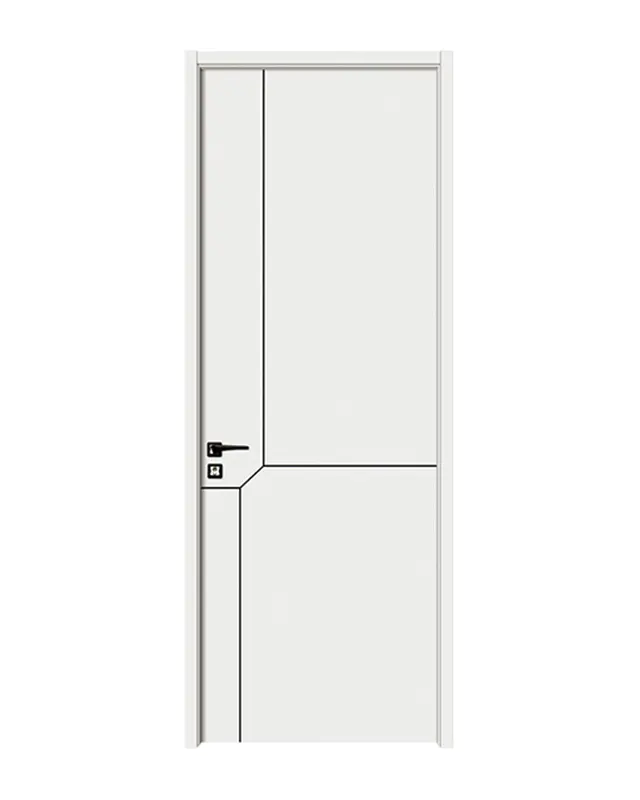
The answer has less to do with the material name printed on the label and more to do with how the door was designed, finished, and put together during installation. Plenty of WPC doors share a similar basic construction, but not every one of them was ever meant to sit in a room with constant humidity hanging in the air. Understanding these differences before placing an order helps homeowners, builders, and project managers pick something that actually matches the room instead of just going by looks on a showroom floor.
Why Is the Bathroom Harder on a Door Than Other Rooms?
Bathrooms create their own little indoor climate, separate from anything else happening in the house. Steam rises every single day, sometimes more than once. Water splashes around sinks and showers without much warning. Moist air tends to linger in the room long after someone's already toweled off and walked out.
Unlike bedrooms or living rooms, bathrooms put doors through repeated cycles of getting damp and then drying back out again. Even when direct water contact stays limited to splashes here and there, humidity keeps working on every exposed surface in the meantime.
A handful of everyday situations pile extra demands onto a bathroom door:
- Steam filling the room during a long, hot shower
- Water droplets landing on the lower portion of the door near the floor
- Limited ventilation trapping moisture inside longer than it should stay
- Frequent opening and closing while humidity levels swing up and down
A door sitting in this kind of environment goes through something noticeably different from one hanging in a hallway or bedroom elsewhere in the house.
What Makes WPC Different From Traditional Door Materials?
Wood Plastic Composite blends wood-based material with plastic components to build a more stable panel. The idea behind it is combining the look of wood with a way of responding to moisture that behaves differently than natural timber does on its own.
Unlike solid wood, WPC doesn't lean entirely on natural wood fibers to hold its shape. That shift changes how the material reacts as humidity climbs and drops throughout a typical day in the house.
A few characteristics people tend to associate with WPC:
| Material Characteristic | Practical Effect |
|---|---|
| Stable structure | Helps cut down on noticeable shape changes over time |
| Smooth surface | Easy to wipe clean during routine cleaning |
| Moisture resistance | Works reasonably well in humid indoor spaces when designed with that in mind |
| Consistent appearance | Fits into a range of interior design styles |
These traits explain why WPC has been showing up more often in interior spaces where moisture tends to hang around, bathrooms included.
Can Any Standard WPC Door Be Installed in a Bathroom?
This is exactly where a lot of buyers start second-guessing themselves.
A standard WPC door sitting next to one built specifically for bathroom use can look nearly identical on a showroom floor. Once both get installed and start facing daily humidity, though, real differences tend to surface pretty quickly.
The core material itself might hold up fine, but plenty of other factors shape how things play out over months and years.
Those factors include:
- Surface finishing applied during manufacturing
- Edge sealing around all four sides of the panel
- Frame compatibility with the door material
- Hardware selection suited to a humid room
- Installation quality once everything gets fitted into place
A standard interior door installed in a bathroom can actually work out fine, provided the whole door system was put together with that environment in mind from the start. Just picking WPC as the material doesn't automatically guarantee it'll hold up the way someone might expect.
Looking past the product name on a spec sheet gives a clearer read on whether a particular door genuinely fits the space it's headed for.
How Does Moisture Affect Different Parts of the Door?
People tend to fixate on the door panel itself and forget everything else attached to it. In practice, moisture works on the entire door assembly, not just the flat surface facing the shower.
The frame sits in that humid air every single day, right along with the panel.
The hinges keep expanding and contracting as temperatures shift throughout the day and night.
The bottom edge usually catches the occasional water splash during mopping or cleaning.
Even the gap between the frame and the surrounding wall can end up affecting long-term performance if moisture works its way into that space over time.
A bathroom door system holds up because every piece of it supports the others rather than working alone.
| Door Component | Moisture Consideration |
|---|---|
| Door panel | Faces humid air on a regular basis |
| Door frame | Expands and contracts daily with temperature shifts |
| Hinges | Keeps moving under changing conditions |
| Surface finish | Helps shield the outer layer from moisture |
| Bottom edge | Most likely spot to pick up direct water contact |
Thinking about the entire assembly, rather than focusing only on the panel material, can support a more suitable purchasing decision over time.
What Features Should Buyers Look For?
Picking a WPC Door for Bathroom use involves a bit more digging than just skimming a product description online.
A few practical questions help sort out whether a particular door actually suits a humid room.
Is the surface easy to maintain?
Bathrooms need regular cleaning, no way around that.
A smooth finish that wipes clean without much fuss helps the door keep its look over time.
Are the edges properly finished?
Moisture tends to reach exposed edges before it starts affecting the flatter surfaces of the panel.
Edges that were carefully finished during manufacturing hold up better over the long run.
Does the frame match the environment?
A moisture-resistant door paired with a frame that wasn't built for that kind of exposure can still run into trouble later on.
Matching both pieces together creates a setup that actually holds together as a system.
Is the hardware suitable?
Bathroom hardware sits in humid air every day, same as everything else in the room.
Picking hinges and handles built to handle that helps keep everything opening and closing the way it should.
Does Bathroom Ventilation Make a Difference?
The room surrounding the door matters almost as much as the door itself does.
Bathrooms with decent ventilation usually go through shorter stretches of high humidity after a shower wraps up.
Rooms where moisture just sits there for a long stretch put more strain on every material in the space, doors included.
Ventilation helps cut down on:
- Moisture lingering on surfaces longer than it needs to
- Condensation building up around the frame
- Extended exposure to humid air throughout the day
- General dampness settling into the room overall
Even a well-suited door benefits from a room that lets moisture escape efficiently after someone showers or runs a bath.
Good ventilation supports flooring, walls, ceilings, cabinets, and doors all together, rather than leaving one single material to fight moisture on its own.
How Does Installation Affect Long-Term Performance?
A well-made product can't fully make up for installation work that cut corners somewhere along the way.
Even a properly chosen WPC Door for Bathroom use can run into trouble if installation skipped over small details that actually matter.
Common installation considerations worth checking:
- Confirming the opening is square before fitting the frame into place
- Leaving reasonable clearance so the door moves smoothly without dragging
- Making sure hardware gets securely installed, not just loosely screwed in
- Sealing joints the way the project actually calls for
- Checking alignment carefully before calling the installation finished
Small installation slip-ups sometimes don't show up until weeks of daily use have passed, especially once humidity starts causing slight movement throughout the frame and structure around it.
Careful installation helps the door keep operating consistently instead of putting extra strain on hinges or the locking mechanism over time.
What Maintenance Helps Keep a Bathroom Door Looking Good?
Maintenance turns out to be simpler than a lot of homeowners expect going in.
Most of it comes down to keeping moisture from just sitting on surfaces for too long at a stretch.
A few simple habits worth building in:
- Wiping away standing water after cleaning the bathroom
- Keeping the fan or ventilation running for a while after a shower
- Cleaning surfaces with products suited to the material
- Checking hinges every so often for smooth, quiet movement
- Inspecting seals during regular home upkeep rounds
These routines barely take any time but go a long way toward keeping the door looking and working the way it should.
Like a lot of building materials around the house, a bathroom door tends to hold up more consistently when small issues get handled early, before they turn into something bigger and more annoying to fix.
Should Buyers Compare the Entire Door System Instead of Only the Panel?
Comparing just the panel material tends to leave out several factors that actually shape how a door performs once it's living in a real bathroom.
A fuller evaluation looks at how the door, frame, hardware, installation, and surrounding room all work together as one system.
Questions worth asking before buying:
- Will this bathroom deal with high humidity on a daily basis?
- Is there decent ventilation already in place?
- Does the frame actually match the door material being considered?
- Is the hardware built for a humid environment?
- Will regular maintenance realistically happen once the renovation's done?
Looking at the project from this wider angle usually leads to better satisfaction down the road than picking something based purely on the material type printed on a box.
A standard WPC door can perform well in some bathrooms when its overall design, finishing, installation, and supporting components all suit humid conditions from the start. In other cases, going with a door specifically built as a WPC Door for Bathroom use gives a bit more confidence that the whole system was actually thought through with that environment in mind. Moisture reaches further than just the panel, working its way into frames, hinges, finishes, and every installation detail through daily use over months and years. Taking the time to look at the complete door system, the bathroom's ventilation setup, and the humidity levels it'll realistically face helps buyers land on something that fits actual conditions rather than relying only on a product label, making the finished space that much more practical and comfortable to live with over time.
 Previous


