


 русский
 Français
 Español
 Indonesia
 عربى
عربى



A door opening into a hospital corridor rarely gets a quiet moment. Nurses push it open with a cart, a cleaning crew wipes it down twice a shift, patients lean on it while walking, and this happens over and over, day after day. In spaces like that, a minor weakness in a door — a hinge that starts sagging, a surface that scuffs easily — turns into a daily annoyance fairly fast. That's why buyers furnishing busy interiors tend to look past how a door looks and start asking how it'll actually hold up.
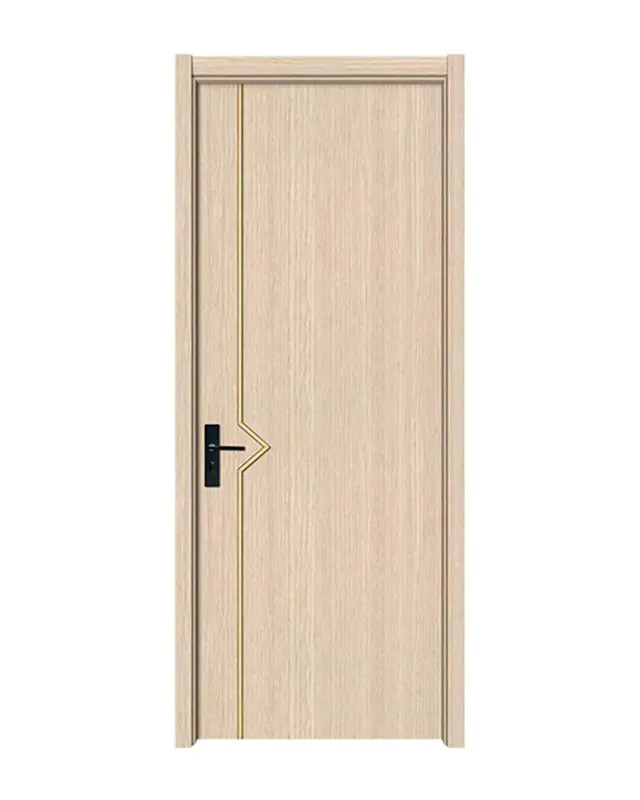
Polyvinyl Chloride Doors get considered for exactly these kinds of spaces, where practical daily operation, straightforward cleaning, and a surface that can take repeated contact matter more than anything else. But the door material is only one piece of the puzzle. Construction, how it's installed, the hardware attached to it, the cleaning routine it'll face, the traffic pattern moving through it, and the room's general environment all play into how it actually performs once it's hung and in daily use.
For facility managers, contractors, architects, and purchasing teams, working through these factors up front makes product selection a lot more grounded. It also explains why a door that performs well in a quiet office might struggle in a school hallway or a busy kitchen entrance.
Why Busy Spaces Put More Strain on a Door
Repeated contact is the defining feature of a high-traffic space. A door opening into a private office may only be used occasionally throughout the day. A door at the entrance to a hospital ward, a school cafeteria, or a restaurant kitchen gets handled constantly, sometimes by someone whose hands are full or who's moving in a hurry.
That repetition puts stress on several parts of the door system at once, not just the panel itself.
| Area of Use | Common Performance Concern |
|---|---|
| Busy corridors | Constant opening and closing throughout the day |
| Shared facilities | Repeated hand and surface contact |
| Commercial interiors | Appearance holding up alongside frequent cleaning |
| Service areas | Handling while carrying equipment or supplies |
| Public buildings | Daily wear across a wide range of users |
| Workplace spaces | Operation staying smooth through constant use |
The door leaf itself is really just one component. Hinges, handles, the frame it's set into, weatherstripping or seals, and how carefully it was installed all shape how the door holds up over months and years of use.
Because of that, a door worth buying for a busy space needs to be evaluated as a complete assembly, not judged on the panel alone. For buyers comparing a Polyvinyl Door against other interior options, the expected traffic pattern deserves a place in that conversation from the very start — a sample panel that looks fine sitting in a showroom can behave quite differently once it's hung in a corridor seeing hundreds of passes a day.
How Material Choice Shapes Everyday Performance
Material affects how a door feels under a hand, how it looks after a year of use, and how it holds up to routine contact.
Polyvinyl chloride shows up often in interior doors because it can be formed into a workable, cleanable surface and paired with several different construction methods depending on the manufacturer. The finished product varies quite a bit depending on how it's built and where it ends up getting installed — a PVC door meant for a light-use office corridor isn't necessarily built the same way as one meant for a commercial kitchen entrance.
It's worth not assuming every PVC door on the market shares the same characteristics. Surface finish, what's inside the panel structurally, how the edges are treated, and what hardware it's designed to pair with all shape the actual day-to-day experience.
Worth weighing during material selection:
- How the surface looks and whether that finish holds up over time
- How well it resists everyday bumps, scuffs, and hand contact
- How easily it wipes down during routine cleaning
- How it handles exposure to moisture or humidity
- Whether it pairs properly with the hardware planned for it
- Whether it actually suits the specific room it's going into
The surrounding environment matters just as much as the material itself. A door near a mop sink or wash station deals with different daily conditions than one in a dry administrative hallway, even if both doors are made from the same base material.
This is why product selection works better starting from the actual room and its use, rather than starting from a material name and assuming it fits everywhere.
Why Door Construction Matters in Busy Settings
How a door is actually built determines how well it survives repeated use. It needs enough structural integrity to stay properly seated in its frame through thousands of open-and-close cycles.
Construction approaches vary — some doors are built lighter for easier handling, others prioritize rigidity and a more solid feel when pushed or pulled. Which approach makes sense depends heavily on the building and how the door will actually get used.
A few construction elements worth checking:
| Construction Area | Why It Matters |
|---|---|
| Door panel | Shapes overall feel and how it handles daily contact |
| Edges | Affect both appearance and how well they resist wear |
| Frame connection | Keeps the door properly aligned over time |
| Hardware mounting | Determines how well repeated operation holds up |
| Surface finish | Affects both cleaning ease and long-term appearance |
In a busy environment, these pieces have to work together. A sturdy panel doesn't help much if the hinges are mounted poorly. Good hardware can't fully compensate for a door construction that wasn't built for heavy daily use. That's why it makes sense to evaluate the whole assembly rather than fixating on one spec sheet detail.
How Installation Affects Daily Operation
Even a well-built door can end up frustrating to use if it goes in crooked or poorly fitted.
Alignment has a direct, immediate effect on how a door opens and closes. If the panel sits even slightly off, users have to push or pull harder than they should, and that extra force gets transferred repeatedly into the hinges and frame over time.
Installation quality shapes:
- How smoothly the door swings open
- How reliably it closes and latches
- Whether the panel stays properly aligned in the frame
- How securely the frame connects to the surrounding wall
- Whether hardware operates the way it's supposed to
- How the whole assembly looks once it's finished
A professional installation takes the surrounding wall, frame, floor, and hardware into account together, rather than treating the door as a standalone item to bolt in place.
This matters more in high-traffic areas precisely because small installation errors get repeated constantly. A door that feels just slightly stiff to open becomes a genuine annoyance once dozens or hundreds of people are pushing through it every day.
Checking the installation environment before ordering also helps — wall condition, available clearance, which way the door needs to swing, and what fixtures sit nearby all affect how the final installation comes together.
Why Hardware Choice Matters for a PVC Door
A door panel doesn't operate on its own. Hinges, handles, closers, and locks are what people actually touch and interact with every time they pass through.
In busy spaces, hardware takes on repeated mechanical stress right alongside the door panel itself, so how well it's matched to the door construction really matters.
Hinges let the door swing while keeping it anchored to the frame. Where they're placed and how carefully they're installed directly affects how well the door stays aligned over time.
Handles get touched constantly — by hands, by elbows when someone's carrying something, sometimes by a hip when both hands are full. Their shape and mounting height should suit whoever's actually using the space.
Closers control how the door swings shut, which matters in buildings that need doors to close automatically for fire safety or noise control. The closing action needs to match both the door's weight and the space around it.
Locks, where privacy or restricted access is needed, should get chosen alongside the door construction rather than treated as a separate add-on.
Getting this combination right creates a more predictable, less frustrating experience for whoever uses the door. Hardware works better when it is considered as part of the original design, rather than added after the door has already been ordered.
How Cleaning Routines Affect Appearance and Lifespan
Doors in busy areas take a lot of contact — hands pushing them open, mop buckets bumping against the base, cleaning cloths wiping the surface down repeatedly through the week.
A surface that wipes clean easily makes that routine maintenance a lot less of a chore, which is a big part of why cleanability comes up so often when buyers evaluate interior door materials.
Cleaning should follow whatever the manufacturer actually recommends. A more aggressive cleaning method isn't automatically a better one — the wrong cleaning agent or an overly abrasive process can dull or damage a surface finish faster than normal daily contact ever would.
A workable maintenance routine tends to include:
| Maintenance Task | Purpose |
|---|---|
| Regular surface wiping | Clears away everyday marks and fingerprints |
| Hardware checks | Catches loose hinges or handles before they fail |
| Surface inspection | Spots visible wear before it spreads |
| Frame checks | Confirms the door is still hanging properly aligned |
| Prompt small repairs | Keeps minor issues from turning into bigger ones |
The cleaning environment matters too — a commercial kitchen or hospital corridor likely runs a much more frequent cleaning schedule than a residential hallway. For a PVC door specifically, the goal is keeping the surface and hardware in good shape without using cleaning methods that conflict with what the manufacturer actually recommends for that finish.
How Moisture Exposure Factors Into Selection
Not every room deals with the same amount of moisture. A bathroom, a laundry room, a locker room, or a food prep area faces different daily conditions than a standard dry hallway or office.
Moisture affects a door through repeated water contact, condensation buildup, frequent washdowns, or just general dampness in the air. The core material is only part of the story — the edges, joints, frame, and hardware all need attention too, since water tends to find its way into gaps and seams before it affects the flat surface.
Worth checking for a moisture-prone installation:
- Where water is actually likely to contact the door directly
- How often the surface will need washing or wiping
- Whether moisture could collect or pool around the frame
- How exposed the hardware will be to dampness
- Whether the surrounding wall and floor materials are suited to a wet environment
A PVC door can work well in certain moisture-prone interiors, but that suitability should get checked against the actual room, rather than assumed just because the material category sounds water-resistant on paper.
How Traffic Flow Shapes What Door Actually Fits
High-traffic doesn't look the same everywhere. A door off a busy school hallway gets pushed open in a hurry between classes. A kitchen service door might get nudged open by someone carrying a loaded tray. A shared break room door sees people going in and out all day long, often distracted or in a rush.
The direction and manner of that movement affects what actually works well.
| Traffic Pattern | Design Consideration |
|---|---|
| Frequent pedestrian use | Smooth, low-effort operation |
| Hands often occupied | Handle placement that works without a free hand |
| Repeated entry and exit | Hardware that holds up to constant cycling |
| Equipment moving through | Enough surrounding clearance for carts or trays |
| Shared, communal spaces | A surface and hardware that's easy to keep clean |
Understanding this pattern also helps determine the right door swing direction and hardware placement. A door swinging into a narrow hallway can create a real obstruction. A door positioned close to another opening might need careful planning so the two don't interfere with each other during simultaneous use.
These details are easy to miss if a door gets chosen purely on appearance or material name, without walking through how people will actually move through that space.
How a PVC Door Compares With Other Interior Door Options
Standard Interior Doors cover a huge range of products, so there's no single construction that represents every conventional option out there. A meaningful comparison has to focus on what a specific installation actually needs, rather than treating any one category as automatically right for every situation.
A PVC door tends to get considered when buyers want a practical, easy-to-clean interior surface along with specific design or maintenance priorities in mind.
| Consideration | Polyvinyl Chloride Door | Standard Interior Doors |
|---|---|---|
| Surface options | Varies by manufacturer and product line | Varies by material choice |
| Cleaning needs | Tied to the specific surface finish | Tied to construction type |
| Moisture environment | Should be assessed for the specific room | Depends on the material used |
| Hardware compatibility | Tied to how the door is constructed | Tied to how the door is constructed |
| Design choices | Available across a range of styles | Broad range across the category |
| Traffic suitability | Depends on the complete assembly | Depends on the complete assembly |
This comparison points to a fairly simple conclusion: a product category alone doesn't decide the purchase. A door meant for a quiet office doesn't need the same scrutiny as one going into a busy public facility, and the actual environment should stay at the center of that decision throughout.
What to Check Before Choosing a PVC Door
Working through the actual conditions of use up front makes the whole purchasing decision a lot clearer.
A practical checklist to run through:
- Traffic level — roughly how often will this door actually get used through a typical day?
- Room environment — is it dry, humid, or subject to frequent washdowns?
- Door movement — how do people typically push, pull, or carry things through it?
- Hardware — what handles, hinges, locks, or closers does the space actually need?
- Maintenance — what cleaning schedule will the facility realistically follow?
- Installation — are the wall and frame conditions actually suited to the door being considered?
- Appearance — does the finish fit with the rest of the interior?
- Replacement needs — how easily can individual parts get serviced or swapped out later?
Working through these questions upfront helps avoid choosing a door based on a single appealing feature while missing something that matters more for the actual space.
On commercial projects, procurement teams often need to coordinate with architects, contractors, installers, and facility managers, since each group tends to focus on a different piece of the puzzle — the architect cares about how it looks, the facility manager cares about how it'll hold up to daily cleaning, the installer cares about how it fits the framing. Getting those groups talking to each other early tends to produce a better outcome than each one working from a different assumption.
A door in a high-traffic space needs to function as a working part of the building, not just sit there as a decorative panel. Material, construction, installation quality, hardware, cleaning routine, moisture exposure, and how people actually move through the space all shape how a PVC door holds up once it's hung and put to daily use.
 Previous


