


 русский
 Français
 Español
 Indonesia
 عربى
عربى



Walking into a friend's newly renovated living room and immediately noticing that something feels slightly off, even though every individual piece looks nice on its own, often traces back to a door that doesn't quite match the rest of the space in tone or texture. Plenty of homeowners spend hours picking out paint colors and furniture, then grab whatever interior door happens to be available without realizing how much that surface actually shapes the feeling of a room. If you've been searching for how veneer finish affects interior door design, understanding what's happening on that surface helps explain why some doors blend seamlessly into a space while others seem to sit apart from everything around them. A veneer finish shapes how people see and experience a door every time they walk past it, adding visual character while giving homeowners and designers room to shift the whole feeling of a space. An interior door isn't just something that swings open and closed. It contributes to how a room feels overall, and the veneer finish chosen for it shapes color, texture, style matching, and how consistent the whole home ends up feeling from room to room.
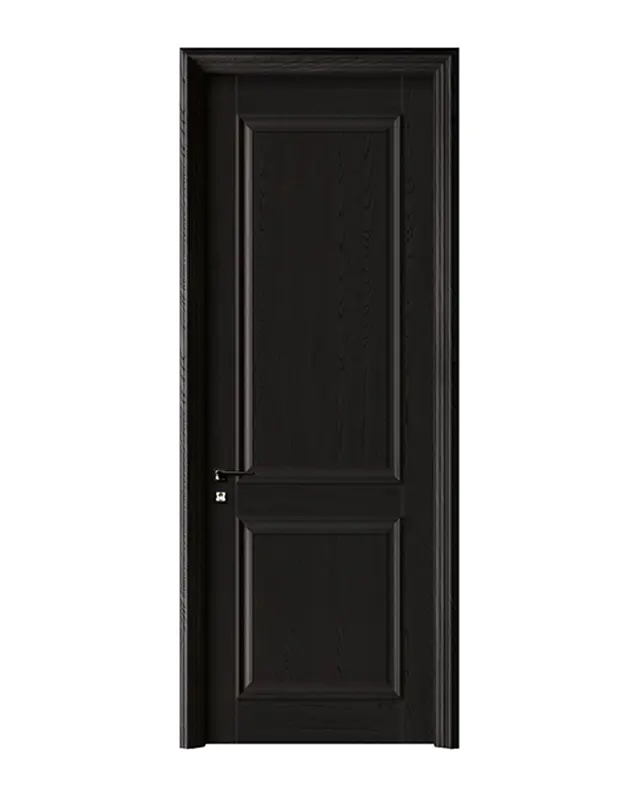
Why Does Veneer Finish Matter So Much in Interior Door Design?
The door surface is often one of the details people notice when entering a room, even without paying close attention. A veneer finish helps create a visual link between the door and the surrounding interior elements.
Veneer itself is a thin layer of natural-looking material applied over the door's surface, giving it the appearance of real wood texture while letting designers explore different styles without needing a solid wood door for every application.
This finish shapes several areas of a room's design:
| Design Element | Influence of Veneer Finish |
|---|---|
| Appearance | Adds texture and visual detail to an otherwise flat surface |
| Style matching | Helps connect the door to the room's overall theme |
| Atmosphere | Shapes how the space feels, whether warm or clean and simple |
| Surface character | Brings in natural patterns and visual depth |
The finish does more than just cover the door. It becomes part of the actual design language running through the whole space, the same way flooring or wall color contributes to how a room reads visually.
How Does Veneer Texture Change the Way a Door Looks?
Texture plays a genuinely significant role in how people perceive a door, even if they can't quite articulate why one feels different from another.
A smooth surface tends to create a clean, understated feeling, while a more visible grain pattern adds warmth and a sense of natural character to a room. These textures shape several things at once:
- Visual depth across the surface
- The overall atmosphere of the room
- Which design style the space leans toward
- How balanced everything feels together
A door with a natural, visible texture tends to work well in spaces built around comfort and relaxation, like a cozy reading nook or a family room where people gather. A simpler, smoother surface often suits interiors leaning toward a neat, organized, modern look instead. The texture essentially creates a bridge between the door and everything else in the room, from flooring to furniture to wall finishes.
How Does Veneer Color Actually Affect the Feel of a Space?
Color is another piece of the veneer finish equation that shapes a room more than people often expect.
The tone of an interior door genuinely influences how a room feels once you're standing inside it. A well-chosen color helps the door blend naturally with everything around it rather than sticking out awkwardly.
A few common color directions worth thinking through:
| Color Direction | Possible Design Effect |
|---|---|
| Natural tones | Creates a warm, inviting feeling |
| Soft shades | Supports a calm, relaxed atmosphere |
| Darker finishes | Adds visual depth and a bit of drama |
| Simple colors | Adapts easily across various styles |
The right color choice really depends on the room's overall design and personal taste. A door doesn't need to stand apart dramatically from its surroundings. In many situations, a practical design choice is one that blends naturally with the space instead of drawing attention away from the overall atmosphere.
How Does Veneer Finish Support Different Interior Styles?
Interior design styles chase different visual goals, and veneer finishes offer options flexible enough to support a range of preferences depending on what a homeowner is going for.
A natural-looking veneer tends to complement spaces built around warmth and comfort, while a cleaner, more understated finish fits rooms aiming for a simple, organized appearance instead.
| Interior Style Direction | Suitable Veneer Characteristics |
|---|---|
| Natural spaces | Wood-like textures paired with warm tones |
| Modern spaces | Simple surfaces with balanced, neutral colors |
| Classic spaces | Traditional patterns carrying visual depth |
| Minimal spaces | Clean designs with subtle, understated details |
The veneer finish helps a door become part of the overall room concept rather than sitting there as something separate from everything else going on around it.
What Role Does Veneer Finish Play in Creating Consistency Across a Home?
A home usually contains several connected spaces, and doors show up throughout every one of them, which means their design genuinely shapes the visual flow moving from room to room.
A matching veneer finish helps create consistency across these different spaces instead of each room feeling like it belongs to a different house entirely.
A few design connections worth thinking through:
- Matching furniture styles throughout connected rooms
- Coordinating with flooring choices
- Supporting existing wall colors
- Creating an overall sense of visual balance
When these elements actually work together, a space feels a lot more organized and intentional. A door might not be the largest feature in any given room, but its surface design genuinely affects how the entire space gets perceived by anyone walking through it.
How Does Veneer Finish Shape the Feeling of Quality?
People tend to judge interior products through both appearance and touch, often without realizing they're doing it.
A carefully chosen veneer finish creates a sense of genuine detail and craftsmanship. Surface pattern, color balance, and overall appearance all feed into how someone experiences the door, whether they're consciously evaluating it or just walking past on their way to the kitchen.
| Factor | Design Influence |
|---|---|
| Surface texture | Changes both the visual and tactile experience |
| Pattern arrangement | Shapes how natural the surface actually looks |
| Color consistency | Supports overall design harmony |
| Finish style | Shapes the general impression someone forms |
The finish essentially defines how well a door fits into its room. A surface design that's well-matched to its surroundings makes a door feel like a natural part of the space rather than just a functional object that happens to be there.
How Should Buyers Actually Choose a Veneer Finish?
Selecting a veneer finish takes more thought than just picking whatever looks appealing in a showroom.
Buyers benefit from thinking through how the door will actually interact with the rest of their space once it's installed.
A few useful questions worth asking:
- What style does the room actually follow right now?
- What colors already exist in the space, from walls to flooring?
- Should this door stand out a bit or blend in seamlessly?
- What kind of atmosphere is the goal here?
- How will this door actually get used on a daily basis?
A genuinely practical choice weighs both appearance and long-term suitability together. The right veneer finish really comes down to the relationship between the door, the room it's going into, and the broader interior plan guiding the whole space.
How Does Veneer Finish Affect Daily Maintenance?
The surface finish shapes daily care too, something buyers sometimes overlook while focused entirely on appearance.
Different finishes call for different cleaning habits, and a suitable choice should genuinely match someone's lifestyle and expectations for upkeep.
| Consideration | Reason |
|---|---|
| Surface cleaning | Helps maintain the door's appearance over time |
| Daily contact | Shapes how the surface wears with regular touch |
| Room conditions | Affects long-term durability and use |
| Care habits | Supports keeping the surface in good condition |
Understanding these maintenance needs upfront helps buyers pick a door finish that actually fits their routine rather than becoming a source of frustration down the road. A beautiful design should hold up to everyday living, not just look good on the day it's installed.
What Should Buyers Weigh When Comparing Different Veneer Doors?
When comparing interior doors, veneer finish is one piece of a larger decision rather than the whole picture.
| Consideration | Question |
|---|---|
| Design | Does it actually match the interior style? |
| Surface | Does the texture fit the look being aimed for? |
| Color | Does it work with elements already in the room? |
| Maintenance | Is it manageable for daily care and cleaning? |
| Usage | Does it fit how the room actually gets used? |
Working through this kind of comparison helps buyers avoid choosing based purely on appearance in a showroom, where lighting and staging can make almost anything look appealing. The door needs to support both the visual design and the practical daily needs of the space it's going into.
Why Does Veneer Finish Remain Relevant in Interior Design Today?
Interior doors continue playing a real role in shaping how a home feels, affecting how rooms connect and how people actually experience moving through their own space day to day. Veneer finish influences a lot more than surface appearance alone. It shapes texture, color coordination, style matching, and the relationship between different interior elements throughout a home. Understanding how veneer finish affects interior door design gives buyers a clearer way to make choices that genuinely fit their preferred style, daily habits, and overall home environment. The finish becomes the connection point between function and design, helping an interior door become a meaningful part of the living space rather than just something people walk through without a second thought.
 Previous


