


 русский
 Français
 Español
 Indonesia
 عربى
عربى



Choosing Standard Interior Doors is often easier when the door is considered as part of the room rather than as a separate product. The wall color, floor, furniture, lighting, and even the door handle can change how a door looks after installation. A style that seems suitable in a product photo may feel quite different once it is placed in an actual interior.
That is why door selection usually starts with the room itself. Modern apartments, family homes, offices, hotels, and renovation projects can all have different requirements. The door does not need to copy the surrounding design. It simply needs to make sense with it.
Look at the Room Before Choosing the Door
Take a quick look around the space. Is the furniture simple or decorative? Are the walls warm, cool, light, or dark? Does the floor have a strong wood pattern? Are there already many decorative details?
These small observations can narrow down the door options quite quickly.
A room with clean walls and simple furniture may feel more comfortable with a plain door surface. A home with traditional trim and detailed furniture may have more room for panel designs. If wood is already an important part of the interior, a wood-look finish can help connect the doorway with the rest of the room.
There is no need to make every surface the same color. In fact, an exact match can sometimes make the room feel too uniform. Similar tones and materials are often enough.
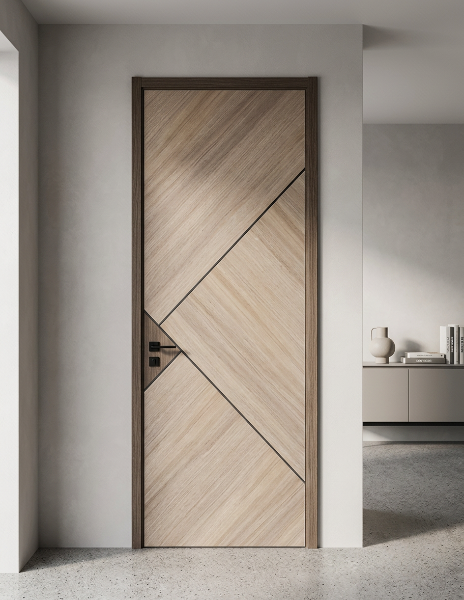
Which Interior Doors Suit Modern Rooms?
Modern interiors usually leave less space for unnecessary decoration. Straight lines, simple furniture, neutral colors, and practical layouts are common. The door can follow the same direction.
Flush Doors Keep the Look Simple
A flush door has a relatively clean face, without strong decorative patterns. It can sit quietly beside a simple wall and allow other parts of the room to stand out.
This can be useful in bedrooms, apartments, home offices, corridors, and other areas where a neat appearance is preferred.
Color also makes a difference. A light finish can blend with a pale wall, while a darker surface can give the doorway more definition. Neither approach needs to be complicated.
Panel Details Do Not Have to Look Traditional
Panel doors are not limited to classic interiors. A simple panel arrangement can also fit a contemporary room, particularly when the lines are clean and the finish is restrained.
Look at the shapes already used in the room. If furniture, wall panels, or cabinets have vertical lines, a door with a similar direction may feel more connected. The same idea applies to horizontal details.
Can Wood Finishes Work With Different Styles?
Wood and wood-look finishes are used in many types of interiors because they bring some visual warmth into a space. Depending on the color and surface treatment, the same general material idea can suit a modern apartment or a more traditional home.
The easiest way to judge a wood finish is to compare it with the other visible materials in the room.
| Area | What to Look At |
|---|---|
| Floor | Color, grain, and overall tone |
| Furniture | Material and surface finish |
| Door | Texture, color, and design |
| Wall | Contrast with the door surface |
| Hardware | Shape and finish of handles and fittings |
For a project using veneer, MDF, PVC, WPC, or other interior door materials, the surface is worth checking under the lighting conditions of the actual space. A finish viewed on a computer screen can look different from the same finish in daylight or warm indoor lighting.
What Works in a Traditional Interior?
Traditional rooms tend to have more visible architectural details. Trim, decorative furniture, wood elements, and warmer colors may already be part of the design.
A panel door can sit naturally within this setting because the panel structure adds some visual detail around the doorway. The design does not need to be complicated. A restrained layout can provide enough character without taking attention away from the rest of the room.
For transitional interiors, there is a little more flexibility. A simple panel door with a neutral or wood-based finish can bridge the gap between traditional trim and contemporary furniture.
How About Scandinavian and Natural Interiors?
Light colors, natural materials, simple furniture, and open-looking spaces are common in Scandinavian-inspired interiors. Doors in these rooms generally work better when they do not add too much visual weight.
Light wood tones and soft neutral finishes can fit this kind of setting. A simple surface can also make sense when the room already contains visible grain from the flooring, furniture, or cabinets.
The same idea can be used in modern apartments. If several materials are already competing for attention, a quieter door can make the room easier on the eye.
Does Every Room Need the Same Door?
Not necessarily. Using a related design throughout a property can give the interior a consistent feel, but the actual door configuration can change from room to room.
- A bedroom may call for a solid door and greater privacy.
- A home office may benefit from some visual connection with the hallway.
- A closet may need a space-saving opening arrangement.
- A wider opening may suit a sliding or double-door solution.
- A bathroom may require a material and finish suited to its environment.
The finish and overall design language can stay related while the door itself changes according to the purpose of the space. This is particularly useful for residential developments and larger interior projects.
When Does a Glass Door Make Sense?
Glass changes more than the appearance of a door. It also changes how two spaces share light and visibility.
A glazed door can make sense for a study, home office, dining area, or another room where some connection between spaces is useful. On the other hand, a bedroom or bathroom usually needs more privacy.
There are also different ways to use glass. A full glazed panel creates a different feeling from a door with a smaller glass section. The choice depends on how much light and visibility the project actually needs.
So rather than choosing glass simply because it is associated with a particular design trend, consider what happens when the door is being used every day.
What Role Does Door Color Play?
Color can quietly change the way a doorway sits in a room.
A door close to the wall color can make the transition between rooms feel less noticeable. A contrasting color can make the doorway more visible and give it a stronger place in the design.
Another option is to take the color direction from the floor, cabinets, or furniture. The door does not have to be an exact copy. A similar undertone may be enough to tie the materials together.
For larger projects, it is worth checking physical finish samples before confirming a production order. Lighting, surrounding colors, and surface texture can all affect the final appearance.
What Should Buyers Check Before Ordering?
Design is only one part of the decision. A door also needs to suit the way the room will be used and the conditions of the project.
- Room use: Think about privacy, access, and daily movement.
- Opening method: Check whether a hinged, sliding, pocket, or other arrangement fits the available space.
- Frame: The door and frame should be considered together during planning.
- Material: Choose a material and surface suitable for the intended application.
- Hardware: Handles, hinges, locks, and other fittings should fit the door design.
- Finish: Check whether the selected finish works with the surrounding flooring, walls, and furniture.
These details become easier to notice when several doors are being purchased for one project. A small difference that looks unimportant on one door can become much more noticeable when it appears throughout a home, apartment building, or hospitality space.
Think About the Frame Too
The door panel is only one part of the doorway. The frame and surrounding wall are visible at the same time, so they also affect the finished appearance.
A very simple door may look natural with a simple frame. A more detailed interior may call for a frame treatment that has some relationship with the trim already used around the room.
It helps to look at the doorway as one complete area instead of choosing the panel first and thinking about the frame later.
A Simple Way to Narrow Down the Options
If there are too many door choices, start with three questions:
- What interior style is already present?
- Which materials and colors are already visible?
- What does the room need from the door?
Once these are clear, the number of suitable options usually becomes much smaller. A modern bedroom may need a simple surface, while a traditional living area may call for more panel detail. An office may benefit from glass, while a private room may not.
Matching the Door With the Complete Interior
There is no single interior door style that belongs to only one type of room. The same general door category can look different depending on its finish, panel design, color, frame, and surrounding materials.
For buyers, the practical approach is to consider the complete setting before making a selection. The door should suit the room's function, work with the existing interior, and fit the installation plan.
For manufacturers and suppliers, this is also why interior door projects often involve several finishes or configurations rather than one identical solution for every opening. Understanding the project's design and application makes it easier to discuss suitable options and keep the finished spaces visually connected.
 Previous


