


 русский
 Français
 Español
 Indonesia
 عربى
عربى



A door is often treated as a simple functional part of a room. It opens, closes, separates spaces, and gives some privacy. But in interior design, a door can shape how a room feels almost as much as furniture, lighting, or wall finishes do.
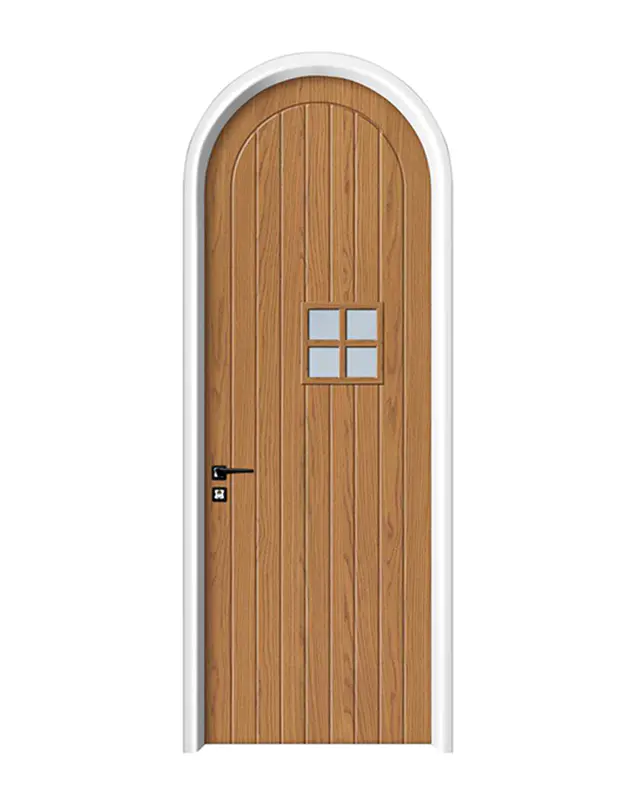
A well-chosen Veneer Interior Door can bring warmth, texture, and a sense of visual balance to a space without making the design feel overworked. The natural look of veneer lets homeowners and designers build interiors with a more refined atmosphere while keeping the overall style open-ended. From modern apartments to more traditional homes, the right door surface can quietly tie different design elements together throughout a room.
Why Doors Actually Matter in Interior Design
Most people focus on the bigger surfaces when decorating — walls, floors, sofas, and lighting tend to get the attention first. Doors, though, occupy a pretty noticeable spot in any room. They show up in hallways, bedrooms, offices, living areas — everywhere. And because people interact with them constantly, their appearance ends up affecting how the whole space feels.
A plain door tends to fade into the background. A well-designed one becomes part of the room's visual story.
The surface, color, texture, and style of a door can shape:
| Design Element | Influence on Room Appearance |
|---|---|
| Surface texture | Adds depth and natural character |
| Color selection | Helps connect different interior elements |
| Door style | Supports the overall decoration theme |
| Material appearance | Creates a specific visual atmosphere |
The goal isn't always to make the door stand out. Often, the better choice is one that feels naturally woven into the space around it.
How Veneer Brings Natural Character to a Room
Veneer gives you the look of natural wood while still leaving room for design flexibility. Unlike a plain painted surface, it has visible grain patterns and texture that add a warmer feel to a room. Those small details can make a space feel more comfortable and more connected to natural materials.
Wood-like surfaces tend to work well in spaces meant to feel calm and welcoming. A veneer finish can suit a range of interior styles, including:
- Modern minimalist rooms
- Warm residential spaces
- Office interiors
- Hotel-style environments
- Contemporary living areas
The character of the grain pattern can shift the mood of a room — a softer pattern tends to feel more relaxed, while a stronger grain adds more visual interest. That flexibility is part of why the same basic door concept works across so many different settings.
Can a Veneer Door Help a Room Feel More Balanced?
Interior design leans heavily on balance. A room can start to feel uncomfortable when too many elements compete for attention — too many patterns, colors, or materials, and the space starts to feel crowded.
A veneer door can help pull different parts of a room together. A wood-toned door, for instance, might echo the tone of the furniture or flooring nearby. Instead of standing apart as its own object, it becomes part of the bigger picture — which creates a smoother visual flow from one area to the next.
A balanced room usually involves:
- Similar material tones
- Complementary textures
- Consistent design choices
- A comfortable visual flow
The door might not be the largest feature in the room, but small, repeated design choices tend to add up more than people expect.
How Door Texture Shapes the Feel of a Room
Texture is one of those details people notice without really thinking about it. A completely smooth surface reads very differently from one with visible natural grain.
Veneer texture adds a bit of subtle variation to a space — enough to keep it from feeling flat, without making it look busy. That's particularly useful in rooms where the walls and furniture lean toward simple, neutral colors.
A neutrally decorated room often relies on small details for warmth, and the texture of a wooden door can provide exactly that kind of extra layer. The effect tends to be quiet rather than dramatic — good interiors don't always need bold decoration. Sometimes it's the smaller material choices that create the strongest sense of comfort.
Why Veneer Doors Work Across So Many Design Styles
One reason veneer doors have stayed popular is how well they adapt. Interior trends shift over time, but natural materials tend to hold their appeal because they work with a lot of different decoration approaches.
| Interior Style | How Veneer Supports the Design |
|---|---|
| Minimalist | Adds warmth to simple layouts |
| Modern | Creates a clean natural contrast |
| Classic | Supports traditional decoration themes |
| Scandinavian-inspired | Enhances a light, comfortable feeling |
| Contemporary | Connects different materials smoothly |
The same door can look pretty different depending on its surroundings — a darker interior tends to make the wood grain feel richer, while a brighter room highlights the pattern more clearly. That kind of flexibility gives homeowners more room to plan their spaces the way they want.
Can a Veneer Door Improve How a Small Room Feels?
Small rooms tend to need more careful design decisions. Large furniture or heavy decoration can make a limited space feel cramped fast, and doors are another factor that affects how open or closed a room feels.
A well-chosen veneer door can add a sense of continuity between areas. Using similar colors and materials across a small home tends to make different spaces feel connected rather than chopped up. A few examples:
- A matching door and floor tone creates a smoother transition
- A simple veneer pattern helps cut down on visual clutter
- A warm surface makes compact spaces feel a bit more comfortable
The point isn't to make the door disappear entirely — it's more about keeping a consistent design language running through the space. In smaller rooms, small details tend to carry more visual weight, simply because there's less else competing for attention.
What to Think About When Choosing a Veneer Interior Door
Picking a door involves more than just choosing a wood look. It needs to match the practical needs and design direction of the room. A few things worth thinking through:
| Consideration | Why It Matters |
|---|---|
| Room style | Keeps the design consistent |
| Color tone | Affects the overall atmosphere |
| Surface pattern | Influences visual texture |
| Usage location | Helps determine suitable design choices |
| Maintenance needs | Supports long-term appearance |
It's also worth considering how the door fits with existing decoration. Choosing a door before the furniture and flooring are settled usually takes more planning, while picking one after the main style is already established tends to be a lot easier to match. Good design generally comes down to how the pieces work together, rather than any single feature carrying the whole room.
How the Right Door Choice Shapes the Everyday Home Experience
A home comes together through a lot of small decisions. Choosing a door might seem minor next to bigger renovation choices, but daily interaction gives it a role that's easy to underestimate. Every time someone walks into a bedroom, closes an office door, or passes through a hallway, that door is part of the experience. A thoughtfully chosen Veneer Interior Door can support a room by adding natural texture, strengthening visual connections between spaces, and creating a more comfortable atmosphere overall. Through its material look and design flexibility, it helps different areas of a home feel connected while still leaving room for personal style. A door isn't just a boundary between rooms — it can be part of what gives a room its character.
 Previous


