


 русский
 Français
 Español
 Indonesia
 عربى
عربى



Installing a Polyvinyl Chloride Door may look straightforward on paper, but the final result depends on a lot more than the door panel sitting in the frame. Hinges, locks, frames, closing mechanisms, installation gaps, and door fit all play into how smoothly the finished door actually operates once someone starts using it daily.
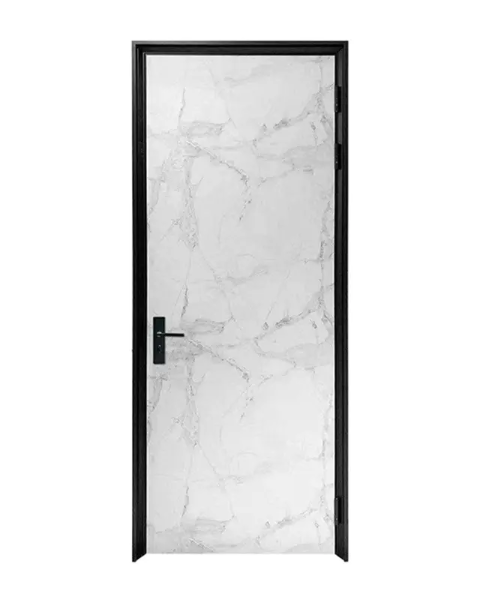
A door can look properly positioned from across the room and still feel genuinely difficult to open, close, or lock when its hardware doesn't match the door structure underneath. This is exactly why hardware selection should get considered alongside the door itself, rather than treated as some separate purchasing decision made later.
For contractors, installers, property managers, and buyers, understanding these relationships can make door installation a lot easier to plan and maintain over the life of the door.
Why Does Door Hardware Matter When Installing a Polyvinyl Chloride Door?
Door hardware provides the connection between the moving door and the fixed frame holding it in place. The hinges control movement, the lock manages access, and the closing mechanism affects how the door returns to its closed position after someone walks through.
The frame provides the structure around the door, while the installation gaps allow enough room for normal movement and adjustment as conditions shift over time. When these parts work together properly, the door can open and close with a lot less resistance than people might expect.
When one part is poorly matched, other components may end up compensating for it in ways nobody intended. A hinge that doesn't suit the door, for example, can throw off alignment, while an unsuitable lock may make closing a lot more difficult than it should be. This relationship makes hardware selection a genuinely important part of Polyvinyl Door installation from the start.
| Hardware Area | Main Installation Consideration |
|---|---|
| Hinges | Door movement and alignment |
| Locks | Closing and access control |
| Door frame | Position and support |
| Closing mechanism | Controlled door movement |
| Installation gaps | Space for normal operation |
| Door fit | Consistent contact and movement |
The goal isn't piling on more hardware for its own sake. The goal is selecting components that work naturally together with the door and its intended use around the property.
How Should Hinges Be Chosen for a Polyvinyl Door?
Hinges carry much of the responsibility for letting a door move between open and closed positions countless times over its life. Their placement and construction can influence a lot how the door actually sits within the frame day to day.
A hinge should suit the door's structure and expected use, rather than getting selected only for how it looks on the shelf. The weight and size of the door are relevant considerations worth checking, but installers also need to think through how frequently the door will actually get operated once it's in service.
A frequently used interior door, say a bathroom or bedroom door in a busy household, may experience a genuinely different pattern of movement from a door tucked away in a less active corner of the building. Hinge alignment is another point worth real attention here.
If hinges aren't positioned consistently along the frame, the door may sit unevenly or require unnecessary force during everyday operation. During installation, installers can check whether the door remains properly positioned as it swings through its range.
A smooth opening motion can indicate that the basic relationship between the hinges, door, and frame is working roughly as intended. That said, movement should get assessed throughout the entire opening range, rather than checked only at one convenient position.
For buyers working with a Polyvinyl Chloride Door, hinge selection should therefore weigh the door construction, frame arrangement, frequency of use, and expected installation conditions together as one package.
What Should Buyers Consider When Selecting Locks?
Locks serve both practical and functional purposes at once, not just one or the other. They need to provide the intended level of access control while staying compatible with the door and frame they're mounted on.
A lock that fits poorly can affect more than just security around the room. It may also make the door genuinely difficult to close, or force the user to move the handle in some unnatural way that feels off every single time. The relationship between the lock body, handle, strike area, and door frame should get considered as one connected system, not four separate parts.
Installers should also check closely how the locking parts meet the frame when the door swings shut. Misalignment here can create unnecessary resistance that builds up over repeated use. A suitable lock should let the door close naturally before the locking action even engages.
This matters quite a bit for Polyvinyl Door installations, since the final fit depends heavily on the relationship between the door panel, hardware, and frame working in concert. The intended application also plays into this decision.
A private room, office area, utility space, or shared interior area may carry genuinely different access requirements depending on who's coming and going.
| Door Use | Lock Selection Consideration |
|---|---|
| Private room | Convenient everyday operation |
| Office area | Controlled access where needed |
| Utility space | Practical handling |
| Shared interior area | Suitable access arrangement |
Rather than selecting a lock based only on how it appears in a catalog photo, buyers should think through how it'll actually interact with the complete door assembly once it's installed.
How Does the Door Frame Affect Installation?
The frame provides the fixed reference point that the moving door swings against day after day. If the frame isn't properly positioned from the start, even genuinely suitable hardware may never produce a comfortable door fit down the line.
The relationship between the frame and door should stay consistent all the way around the opening. Installers can check the position of the frame before attaching or adjusting any hardware onto it.
They can also observe closely whether the door sits evenly when closed, checking from a few different angles. A frame that's positioned poorly may create uneven contact or make the lock genuinely difficult to engage properly.
This can result in repeated adjustments that may appear to be hardware issues, while the underlying cause actually comes from the frame arrangement. The frame should also match the intended door application it is designed to support.
A Polyvinyl Chloride Door installed in an interior hallway, for instance, may call for a different frame approach than a door used somewhere else in the building. The important point throughout stays compatibility between all the pieces.
Door panels, frames, hinges, locks, and closing components should get considered together during planning, not bolted on piecemeal. This can cut down a lot on unnecessary changes after the door's already installed and someone's living with it.
Why Are Installation Gaps Important?
Installation gaps are easy to overlook, mainly because they're not normally visible once the door's actually being used day to day. That said, some space needs to exist around a moving door so it can operate without unwanted contact scraping against the frame.
The appropriate gap depends on the door construction, frame arrangement, installation conditions, and whatever the manufacturer guidance actually calls for. Too little space can cause rubbing that wears down over time. Too much space can affect the appearance and may change how the door interacts with seals or hardware mounted nearby.
The goal throughout stays a consistent fit that allows normal movement without drama. Installers should inspect the gap all around the door, rather than checking only one convenient spot and calling it done.
The top, sides, and bottom may behave quite differently depending on how the door and frame settle into position over time. A practical installation process can include checking the following points.
- Whether the door moves freely.
- Whether the panel contacts the frame unexpectedly.
- Whether the lock meets its receiving area correctly.
- Whether the door closes without excessive force.
- Whether the visible spacing remains reasonably consistent.
These checks can reveal installation issues well before the door enters regular daily use around the household. For a Polyvinyl Door, proper attention to installation gaps can help keep small alignment problems from turning into recurring maintenance headaches down the road.
How Can Door Fit Influence Everyday Operation?
Door fit describes how naturally the door sits within its frame and how the components interact together during movement throughout the day. A good fit isn't simply about making the door look straight when you step back and glance at it.
It also involves opening effort, closing movement, lock engagement, and contact with surrounding components as the door goes through its motions. A door that fits poorly may force users to push or pull a lot harder than anyone would expect from a normal door.
Over time, this extra strain can place additional stress on hinges, handles, locks, and other parts that weren't built to absorb it. The fit should therefore get checked at several stages throughout installation, not just once at the end.
Installers can begin by positioning the door within the frame and then checking movement before making any final hardware adjustments. After the hinges are secured in place, the door can get opened and closed repeatedly to spot changes in alignment as they happen.
The lock can then get checked in the closed position carefully. If the door needs lifting, pushing sideways, or pulling unusually hard just to engage the lock, the issue likely involves alignment rather than the lock itself sitting there innocent.
This approach helps avoid the common trap of replacing individual components when the underlying issue is really the overall door fit all along. For comparison, Standard Interior Doors also depend on coordinated hardware and frame placement, even though their materials and construction may differ quite a bit from PVC. The same basic principle carries across many door types out there: the panel, hardware, and frame need to work as one single installation, not three separate projects.
What Role Does a Closing Mechanism Play?
A closing mechanism controls how the door returns toward its closed position after someone passes through it. Some doors rely mainly on the user's own movement to swing shut, while others may use a separate closing component doing that work automatically.
The choice depends heavily on the intended application and how the door is expected to perform during daily use. A closing mechanism should not make the door unnecessarily difficult to open, as smooth operation is an important part of the overall design.
It should also work in step with the hinges and lock, rather than creating conflicting movement that fights itself every time someone uses the door. If the closing force is too strong for the installation, users may notice a lot of increased resistance pushing back at them. If it's not sufficient for the intended application, the door may never quite return to its normal closed position on its own.
The interaction with the lock deserves especially close attention here. A door may appear to close correctly at a glance, while the locking components remain slightly misaligned underneath.
Installers should therefore observe the complete closing sequence from start to finish, not just the final resting position.
| Closing Stage | What to Check |
|---|---|
| Door movement | Smooth travel toward the frame |
| Final approach | No unnecessary contact |
| Closed position | Consistent fit |
| Lock engagement | Proper alignment |
| Handle movement | Comfortable operation |
For a Polyvinyl Chloride Door, the closing mechanism should get selected as part of the overall hardware arrangement from the start, rather than tacked on after other components have already been locked in.
How Can Installers Coordinate Hardware During Installation?
Hardware installation becomes a lot easier once each component gets considered in relation to the others around it, rather than in isolation. A practical workflow can focus on the door, frame, hinges, lock, closing mechanism, and final fit as connected elements working toward the same result.
A useful installation sequence may include several basic stages worth walking through in order.
Check the Door and Frame
Confirm that the door and frame genuinely suit each other before installing any hardware onto them.
Position the Hinges
Install and adjust the hinges carefully so the door can move naturally within the frame without binding.
Check the Door Movement
Open and close the panel a few times to identify resistance, uneven movement, or unwanted contact anywhere along the swing.
Install the Lock
Position the lock and receiving area so they meet naturally when the door swings closed, without forcing anything.
Check the Closing Action
Observe closely how the door returns to the frame and whether the locking components stay aligned through the motion.
Review the Final Fit
Look at the door from a few different positions and confirm that movement and closing both remain consistent across the range.
This process can help installers catch problems at the stage where they're actually easiest to correct, before things get bolted down permanently. It also cuts down a lot on the risk of treating every issue as some separate hardware problem when it's really one underlying cause.
For buyers, understanding this workflow can help quite a bit when discussing installation requirements with suppliers and contractors on a project.
What Should Buyers Look for When Comparing Hardware for Different Door Types?
Hardware decisions should reflect the actual door application at hand, rather than leaning on assumptions that all doors behave alike. A Polyvinyl Chloride Door may carry genuinely different construction characteristics from wood or metal doors sitting nearby in the same building.
This can shape the choice of hinges, locks, frames, and closing components quite a bit. Standard Interior Doors may also use familiar hardware arrangements that installers recognize on sight, but that doesn't mean every component can transfer directly between door types without a second thought.
Material compatibility and installation method still matter a great deal here. Buyers can organize their evaluation around a handful of practical questions worth asking upfront.
- Does the hinge suit the door construction?
- Does the lock fit the door and frame arrangement?
- Can the closing mechanism work without creating unnecessary resistance?
- Can the installer maintain a suitable installation gap?
- Can the door remain aligned during repeated opening and closing?
- Are replacement or maintenance requirements easy to understand?
These questions can help move the discussion beyond individual components and toward how the complete door system works together. For commercial buyers, this approach can also make purchasing discussions more focused and precise from the opening conversation.
Instead of asking only for a door handle or hinge off a catalog page, buyers can explain the intended door type, installation environment, usage pattern, and required operation up front. Suppliers can then provide a lot more relevant product information without falling back on broad assumptions that may not fit the job.
The result is a genuinely more practical approach to hardware selection overall. A Polyvinyl Door can provide convenient everyday use once its hardware and installation conditions get considered together as one package.
The same principle applies when comparing it with Standard Interior Doors, where proper alignment, compatible hardware, and a suitable frame remain important parts of the installation process from start to finish.
 Previous


