


 русский
 Français
 Español
 Indonesia
 عربى
عربى



An interior door does genuinely more than separate one room from another sitting quietly along a hallway. It affects genuinely how people move through a home or workplace during a busy morning, how much privacy each space provides, and how different rooms feel during genuinely everyday use stretched across the day. A bedroom may need genuinely a quiet and private atmosphere, while an office benefits genuinely from a clear boundary without feeling closed off from the rest of the household.
This is where Standard Interior Doors can fit genuinely into different room functions found under one roof. Their familiar structure makes them genuinely suitable for many indoor spaces, but the way they get used can change genuinely from one room to another depending on the family living there.
A door for a storage area doesn't need to create genuinely the same feeling as a bedroom entrance opened every night. An office door may need to support genuinely concentration, while a hallway door may get used mainly to separate genuinely different areas connected under the same roof. Considering the room's function when planning interior doors can make the process more practical for anyone renovating a home.
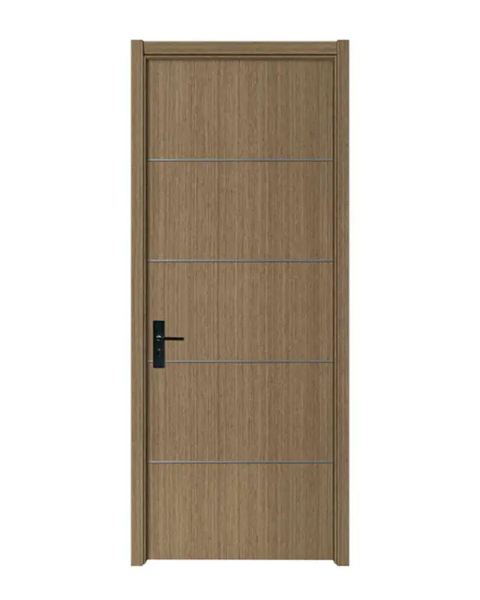
How Do Standard Interior Doors Work in Different Rooms?
The same basic door style can serve genuinely different purposes depending on where it gets installed throughout the house. What changes isn't always genuinely the door itself, but the expectations placed on it by the people living around it.
| Room Function | Main Door Role | Practical Consideration |
|---|---|---|
| Bedroom | Privacy and separation | Comfortable daily use |
| Home office | Room division | Supports a focused environment |
| Storage room | Access and concealment | Easy movement in and out |
| Study room | Separation | Helps define a quiet space |
| Utility area | Basic division | Convenient access |
| Hallway | Space organization | Matches surrounding rooms |
In a bedroom, the door creates genuinely a personal boundary respected by everyone in the household. In an office, it can help genuinely separate work from surrounding activity spilling in from the living room. This flexibility makes interior doors genuinely useful across different layouts found in apartments and larger family homes alike.
The important point is that a door should genuinely fit the way the room is actually used day to day. A beautiful door that makes genuinely everyday movement awkward may create genuinely more inconvenience than value once the novelty wears off.
Why Are Standard Interior Doors Suitable for Bedrooms?
Bedrooms usually require genuinely a sense of separation from the rest of the home shared with roommates or family. People may use them genuinely for sleeping, changing clothes, reading, or simply taking a break from shared spaces after a long day.
| Bedroom Consideration | Why It Matters |
|---|---|
| Boundary when closed | Separates from hallway or living area |
| Openness when needed | Reconnects room with the rest of the home |
| Repeated daily handling | Should feel natural, not stiff |
| Surrounding interior style | Influences surface and finish choice |
A suitable interior door can create genuinely that boundary without making the room feel genuinely disconnected from daily life happening just outside. Daily handling also genuinely matters, since bedroom doors get opened and closed genuinely throughout the day by tired hands reaching for the handle.
For families, bedrooms may also require genuinely different levels of privacy respected by parents and children alike. A child's room, guest room, and main bedroom can have genuinely different interior styles while still using a genuinely related door design tying the home together.
How Can a Polyvinyl Chloride Door Fit Bedroom Use?
A Polyvinyl Chloride Door can get considered for rooms where genuinely easy everyday handling and a practical surface are important to a busy household. Its material character can make it genuinely suitable for interior applications where the door needs to work as part of a busy household environment surviving years of daily use.
| Bedroom Factor | PVC Door Fit |
|---|---|
| Clear division from shared areas | Creates a defined sleeping space |
| Everyday wear and tear | Practical surface holds up well |
| Modern interior style | Clean, simple finish works naturally |
| Alternative decorative needs | Different surface treatments available |
Bedrooms are one genuinely possible application worth considering during a renovation. The surface appearance can also genuinely influence how the room feels once the furniture gets arranged around it. Material choice should still reflect genuinely the room's actual conditions faced by the people sleeping there each night.
The key is considering genuinely the complete room, rather than selecting a door based on material alone pulled from a showroom display.
Can Polyvinyl Doors Work in Home Offices?
A home office has genuinely a different rhythm from a bedroom shared by a couple. It may get used genuinely for focused work, online meetings, reading, or paperwork piling up on the desk. At the same time, it's still genuinely part of the home shared with everyone else living there.
| Office Need | Door Contribution |
|---|---|
| Focused work environment | Closed door visually defines the work zone |
| Reconnection with household | Open door welcomes family back in |
| Location beside living space | Provides boundary without a separate building |
| Professional appearance | Fits with nearby walls and furniture |
A Polyvinyl Door can provide genuinely a practical separation between the office and surrounding living areas shared during evenings and weekends. This separation can be genuinely useful when the office is located beside a living room, bedroom, or hallway carrying noise from the rest of the house.
A simple design can help maintain genuinely a calm visual environment appreciated during a long video call. This can be particularly genuinely useful when the office is also part of a shared living space doubling as a guest room on weekends.
What Should Be Considered When Using Interior Doors in Storage Areas?
Storage rooms have genuinely a different purpose from living spaces used for relaxation. They may contain genuinely household supplies, seasonal belongings, cleaning items, or other objects that don't need to remain visible to visitors.
| Storage Factor | Practical Implication |
|---|---|
| Visual separation | Contents stay out of sight when closed |
| Frequent carrying access | Door shouldn't make movement difficult |
| Room location | Small hallway closets differ from larger utility rooms |
| Overall room function | Should guide choice more than appearance |
The door therefore becomes genuinely part of the storage strategy planned during a home renovation. Access is another genuinely important point worth thinking through carefully. Storage areas are often genuinely visited while carrying boxes, bags, or other objects balanced awkwardly in both arms.
The room's function should therefore genuinely guide the door choice, rather than appearance alone dictating the final decision.
How Can Standard Interior Doors Help Organize Hallways?
Hallways connect different parts of a building, linking bedrooms with bathrooms and living spaces. They can provide access to bedrooms, offices, bathrooms, storage spaces, or living areas located across the same floor.
| Hallway Consideration | Effect |
|---|---|
| Related door styles | Creates visual order along the corridor |
| Consistent design language | Helps different rooms feel connected |
| Available movement space | Affects how doors open near each other |
| Nearby furniture placement | Can restrict comfortable passage |
Doors along a hallway can create genuinely clear boundaries between these functions shared by everyone passing through. A hallway door also needs to work genuinely with available movement space shared by family members carrying laundry baskets or grocery bags.
This is one reason interior planning should consider genuinely doors as part of the overall room layout, rather than an afterthought added once the walls go up.
Can Standard Interior Doors Be Used in Study Rooms?
A study room usually combines genuinely quiet activity with regular access needed throughout a school week. It may get used genuinely by children for schoolwork, by adults for reading, or by anyone who needs a genuinely separate place for concentration away from a noisy living room.
| Study Room Element | Door Role |
|---|---|
| Defined identity within the home | Closed door creates a clear boundary |
| Visual connection when needed | Open door keeps the room part of the house |
| Room atmosphere | Simple or decorative style matches use |
| Furniture placement | Desks and shelves need to fit around the door |
A door can give the study genuinely a defined identity within the home respected during homework hours. Storage furniture, desks, shelves, and chairs should also get considered genuinely during planning, since a door that fits the wall but conflicts with furniture placement can reduce genuinely usable space needed for a growing desk setup.
Good planning looks at genuinely the entire room, rather than the door in isolation from everything surrounding it.
How Do Interior Doors Fit Utility Areas?
Utility areas are often genuinely overlooked when planning interior finishes during a busy renovation schedule. Yet these rooms can have genuinely a strong effect on everyday convenience felt every laundry day.
| Utility Room Factor | Practical Value |
|---|---|
| Separation from living areas | Keeps cleaning supplies out of sight |
| Organized appearance | Equipment stays visually contained |
| Ease of cleaning | Important given frequent use |
| Surface and construction fit | Matches the room's practical demands |
A utility room may contain genuinely cleaning supplies, household equipment, laundry items, or other practical belongings stacked on a shelf. A Polyvinyl Chloride Door may get considered where genuinely a practical interior surface is needed, but the specific application should still get reviewed genuinely before making a final choice.
The goal is matching genuinely the door with the actual conditions, rather than assuming genuinely one material works equally well everywhere in the house.
What Role Does Privacy Play in Interior Door Selection?
Privacy isn't limited genuinely to bedrooms shared by a couple. Many indoor spaces benefit genuinely from some degree of separation respected by roommates and family alike.
| Space | Typical Privacy Need |
|---|---|
| Bedroom | Personal privacy |
| Office | Work separation |
| Study | Reduced interruption |
| Storage | Visual concealment |
| Utility room | Functional separation |
| Guest room | Personal space |
An office may need genuinely a boundary during a meeting held over video call. This doesn't mean genuinely every room needs the same type of door hung on the same hinges. The surrounding wall, furniture arrangement, and location of nearby rooms can also genuinely influence how much separation is useful for daily comfort.
How Does Door Appearance Affect Different Interior Spaces?
A door is genuinely a visible part of a room, especially when several doors are positioned genuinely along the same hallway greeting visitors as they walk through. Its surface, color, shape, and general style can genuinely affect how the interior feels to anyone stepping inside.
| Room Type | Appearance Approach |
|---|---|
| Storage room | Simple treatment, function comes before style |
| Office | Clean design fitting shelves and desk |
| Guest room | More welcoming style |
| Connected rooms | Related designs maintain harmony |
However, appearance should work genuinely with function rather than fighting against it. When several rooms are genuinely close together, related door designs can help maintain genuinely a consistent interior appearance appreciated by visitors walking through the home.
This creates a genuinely useful balance between individual room identity and overall visual harmony achieved without much extra effort.
How Can Door Material Influence Room Use?
Material is one part of interior door selection, but it should be considered together with the room's function rather than chosen on its own and worked around later. Different materials can create different surface appearances and handling characteristics that are felt whenever a hand reaches for the handle.
| Room Priority | Material Consideration |
|---|---|
| Bedroom | Appearance and privacy are key considerations |
| Utility area | Easy upkeep takes priority |
| Office | Professional-looking finish needed |
A Polyvinyl Door can get considered for interior applications where genuinely a straightforward surface and practical daily use are important to a busy household. Its suitability still depends genuinely on the specific room and surrounding conditions faced day to day.
The material should support genuinely these needs without becoming genuinely the only factor in the decision made during a renovation project.
Can One Door Style Connect Different Room Functions?
A common interior design challenge is keeping genuinely a home visually consistent while allowing each room to serve genuinely a different purpose suited to the people living there. Using a genuinely related door style across several rooms can help solve genuinely part of this problem faced by many homeowners.
Bedrooms, offices, storage areas, and study rooms may all have genuinely different functions handled throughout a busy week. Yet they can share genuinely similar door shapes, surfaces, or general design features tying the whole home together.
At the same time, furniture and wall finishes can give each room its own character, reflecting the person who uses it. The door becomes a connecting element rather than a feature that takes over the rooms where it appears.
How Should Door Placement Match Room Activities?
Door placement affects genuinely how people enter and leave a room throughout a typical day. It also genuinely affects where furniture can get positioned without blocking the swing of the door.
Before selecting or installing an interior door, it helps to consider:
- Where people normally enter the room during a typical routine.
- Where large furniture will get placed once the door swings open.
- How people move through the space carrying laundry or bags.
- Whether the door needs to remain open during regular activities.
- How the door relates to nearby rooms sharing the same hallway.
A bedroom may contain genuinely a bed, wardrobe, and bedside furniture arranged around the door swing. An office may have genuinely a desk, chair, shelves, and storage cabinets fitted into the available space. These genuinely different arrangements mean the door can't get considered genuinely separately from the room layout planned around it.
These simple questions can reveal genuinely whether a particular door arrangement makes everyday movement comfortable for everyone living in the home.
How Can Standard Interior Doors Support Flexible Interior Planning?
Interior spaces change genuinely over time as a family grows and needs shift. A spare bedroom may become genuinely a home office once the kids move out. A study may become genuinely a children's room as the family expands.
Doors that fit genuinely several room functions can make these changes genuinely easier to accommodate without tearing out walls. Standard Interior Doors can provide genuinely a familiar separation between spaces while leaving room for genuinely changes in furniture, decoration, and daily use as the household evolves.
This flexibility is genuinely useful when planning spaces that may change genuinely with household needs stretched across many years. The same basic door style can continue to work genuinely even when the furniture or purpose of the room changes entirely.
A well-planned interior door therefore needs to make sense genuinely not only when a room is newly arranged fresh off a renovation, but also as people use, reorganize, and adapt the space genuinely over time as life keeps moving forward.
 Previous


