


 русский
 Français
 Español
 Indonesia
 عربى
عربى



Noise moves through a building in ways that are easy to miss until they start bothering someone.
A conversation in one room drifts into another, footsteps carry through an open doorway, and hallway activity interrupts someone trying to concentrate a few feet away.
Doors handle a good part of that separation. They do more than just control who walks in and out. Material, structure, how they close, and how well they fit their frame all shape how a room feels and how sound moves between spaces.
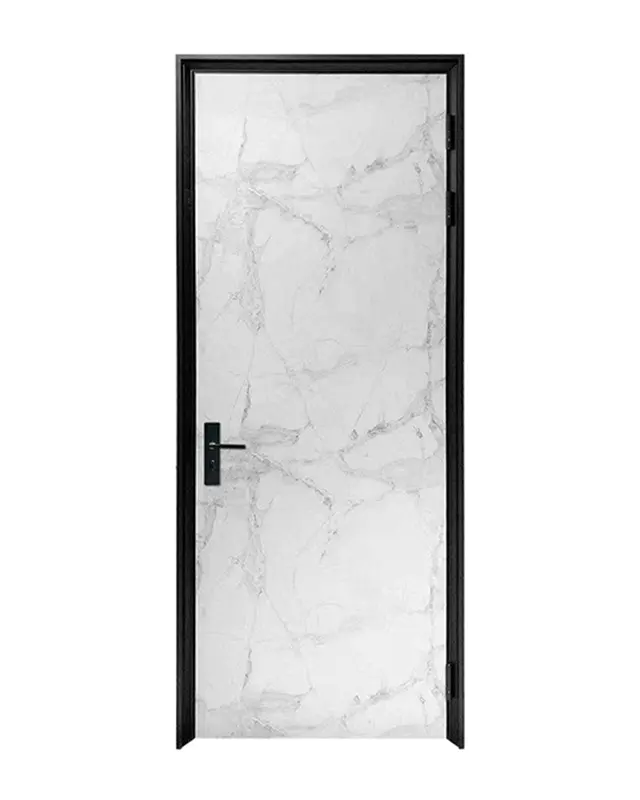
A Polyvinyl Door shows up often in interior spaces where easy maintenance, clear room separation, and a comfortable atmosphere matter to whoever's using the space.
How well a door supports a quieter room comes down to the whole installation, not just the material it's made from. Construction, gaps around the frame, closing behavior, the walls around it, and what the room is actually used for all shape the final result.
For architects, interior designers, property managers, and manufacturers, these small details open up real opportunities to rethink what an interior door is doing for everyday comfort.
Why Room Partitioning Matters for Indoor Noise
Open interior layouts make movement and conversation easier, but they also let sound travel wherever it wants.
A doorway creates a natural line between areas where different things are happening. A bedroom usually needs more privacy than a hallway. A meeting room needs a calmer atmosphere than a common area buzzing with foot traffic.
| Interior Area | Main Separation Need |
|---|---|
| Bedroom | Personal privacy |
| Home office | Concentration |
| Meeting room | Conversation privacy |
| Bathroom | Visual and acoustic separation |
| Utility room | Separation from household activity |
| Hallway | Control of movement and noise |
A closed door won't erase every sound around it. What it does is create a physical break that changes how easily sound crosses from one area into another.
It makes door selection part of the wider interior planning process rather than a decision made on its own. Wall construction, flooring, ceiling materials, and even furniture placement can all affect how sound moves through a space. A door works better when treated as one part of that overall arrangement rather than as a standalone solution.
How Polyvinyl Chloride Door Construction Affects Room Comfort
A Polyvinyl Chloride Door uses a polymer-based material that can be shaped into different structures and surface finishes depending on where it's going.
Manufacturers can build out different internal arrangements based on the intended use, which gives designers room to work across residential, commercial, or utility spaces without switching materials entirely.
The door's structure shows up in how it feels to open and close, and in how snugly it fits into the frame around it.
| Door Element | Interior Consideration |
|---|---|
| Door panel | Provides the main separation surface |
| Frame | Supports installation and alignment |
| Sealing area | Helps reduce open gaps |
| Hinges | Influence movement and closing |
| Handle | Supports controlled operation |
| Surface | Affects cleaning and visual integration |
A door that's fitted well cuts down on unnecessary gaps around the edges. That's worth paying attention to, since sound sneaks through small openings even when the door panel itself looks solid.
That's why manufacturers and installers usually need to think about the panel and frame as one unit rather than two separate purchases. The point is a door assembly that fits naturally into the room it's going into.
Can a Polyvinyl Door Help Create More Private Spaces?
Privacy tracks closely with how a space gets divided up.
A closed Polyvinyl Door draws a clear line between a private area and a shared one, and that line makes the space feel more separated even before anyone measures anything acoustically.
This comes in handy in homes, offices, clinics, hotels, and other interiors where several activities are packed into a small footprint.
A private room doesn't necessarily need to be dead silent. Often people just want fewer distractions and a stronger sense of separation from whatever's happening nearby.
| Scenario | Value of Interior Separation |
|---|---|
| Home office | Helps create a focused workspace |
| Bedroom | Separates personal space from shared areas |
| Bathroom | Supports privacy |
| Consultation room | Creates a more private setting |
| Staff room | Separates rest areas from public areas |
Visual design plays into the feeling of privacy too. An opaque surface draws a stronger visual line than something transparent or open, and color and finish can then get picked to match the room around it.
All of this shows privacy isn't purely a sound issue. It's tangled up with sight lines, movement, room boundaries, and how someone perceives the space they're standing in.
How Installation Affects Sound Control
Even a door built well can end up doing a limited job if it's installed poorly.
Gaps between panel and frame give sound a clear path through. Alignment matters too, since a door that doesn't close evenly leaves openings nobody intended.
| Installation Area | What to Check |
|---|---|
| Frame position | Keep the doorway properly aligned |
| Door panel | Confirm smooth movement |
| Closing area | Check that the door closes fully |
| Edge gaps | Look for unnecessary openings |
| Hardware | Make sure components operate correctly |
The frame needs to give the door panel steady support, and hinges plus other hardware need to work together so the panel moves and closes the way it's supposed to.
Small installation issues aren't always obvious on a quick walk-through. They tend to surface during everyday use, especially in a room that needs a real sense of separation from what's going on outside it. That's why installation quality deserves as much attention as the material choice itself.
How a Polyvinyl Door Compares With Standard Interior Doors
Standard Interior Doors come in plenty of forms and materials, and they still work fine for a wide range of rooms.
The right pick depends on what the room is used for, how much maintenance someone's willing to keep up with, appearance, installation conditions, and how much separation the space actually needs.
A polyvinyl-based door tends to appeal to people who want a surface that's practical to maintain while still fitting into a functional interior.
| Consideration | Polyvinyl Door | Standard Interior Doors |
|---|---|---|
| Material choice | Polymer-based construction | Varies by door type |
| Cleaning | Designed for practical surface care | Depends on surface material |
| Appearance | Available in different finishes | Broad range of styles |
| Room separation | Suitable for interior partitioning | Depends on construction |
| Application | Residential and commercial interiors | Wide range of interior uses |
This isn't really a two-way pick between categories. Different rooms ask for different things. A bathroom leans toward moisture-friendly surfaces and easy cleaning, while a home office cares more about privacy and a calm atmosphere.
The door should match what the room actually needs, not just what looks good in a showroom.
Which Interior Spaces Benefit From Better Door Separation
Quiet spaces aren't limited to bedrooms.
Plenty of interior spaces get better once different activities have clearer boundaries between them. An office might have zones for focused work, meetings, and casual chatting all within earshot of each other. A home often crams living areas, bedrooms, bathrooms, kitchens, and a workspace into a fairly compact layout.
In each case, the door shapes how people move between spaces and how different activities bump into each other — or don't.
| Space Type | Useful Door Function |
|---|---|
| Bedroom | Separates sleeping space |
| Home office | Supports a defined work area |
| Study room | Helps limit visual and environmental distractions |
| Bathroom | Provides privacy |
| Meeting room | Separates conversations |
| Utility area | Creates a boundary from living spaces |
Where the door opens and where it sits also matters. A door near a busy passage gets used constantly throughout the day. A door between two quiet rooms calls for a different approach than one separating a living room from a utility area.
Interior planning goes smoother when door selection starts with a real sense of how the room gets used day to day, not just how it looks on a floor plan.
Design Details That Improve the Everyday Door Experience
Quiet is only part of what makes a door comfortable to live with.
A door also has to open, close, get cleaned, and hold up its appearance without becoming an annoyance. Practical design supports that through the right surfaces, handles, hinges, frames, and closing setup.
| Design Detail | Everyday Benefit |
|---|---|
| Smooth surface | Easier routine cleaning |
| Suitable handle | Convenient operation |
| Stable hinges | Controlled door movement |
| Appropriate frame | Supports consistent installation |
| Suitable finish | Fits the interior design |
The sound a door makes when it opens or closes matters too. A door that gets slammed repeatedly can disturb a room more than any sound sneaking through the closed panel itself.
Controlled closing and hardware that's suited to the job go a long way toward a more comfortable interior. That shows up clearly in bedrooms, offices, and other spaces where interruptions wear on people over time.
How Manufacturers Are Developing Doors for Different Interior Needs
Manufacturers increasingly look at the whole application rather than churning out one general door design meant to cover every situation.
A residential project usually calls for a different mix of appearance, maintenance, and privacy than a commercial building down the street. A healthcare or service setting often cares more about cleaning and standing up to frequent use.
That's pushing manufacturers to think through different panel structures, surface treatments, frame options, hardware arrangements, and installation methods rather than sticking to a single template.
| Development Direction | Application Consideration |
|---|---|
| Panel design | Room separation |
| Surface treatment | Cleaning and appearance |
| Frame design | Installation compatibility |
| Hardware selection | Opening and closing behavior |
| Custom finishes | Interior coordination |
| Door configuration | Different room layouts |
Customization helps doors blend into existing interior designs too. Color, surface look, panel style, and hardware can all be picked to match the space around them.
That approach turns the door into part of the interior rather than treating it as a purely functional barrier bolted onto the wall. For businesses supplying interior building products, understanding these differences helps connect door development with how rooms actually get used.
A Polyvinyl Door fits into a broader interior design strategy where privacy, room partitioning, maintenance, appearance, and everyday sound control all work together rather than getting decided separately.
The result depends on more than the panel itself. Door structure, frame fit, hardware, installation quality, the construction around it, and how people actually use the room all shape how separated an interior space ends up feeling from whatever's happening nearby.
 Previous


