


 русский
 Français
 Español
 Indonesia
 عربى
عربى



Run a hand across three or four door samples in a showroom and they can feel almost identical. That's the trap. Understanding what separates a door that stays reliable over time from one that develops issues early requires looking beyond the surface finish. Many buyers exploring Veneer Interior Door options for a project discover this only after problems appear, when important factors inside the door have already been overlooked. Getting past the surface means asking what's underneath it, because that's genuinely where the differences that matter tend to hide.
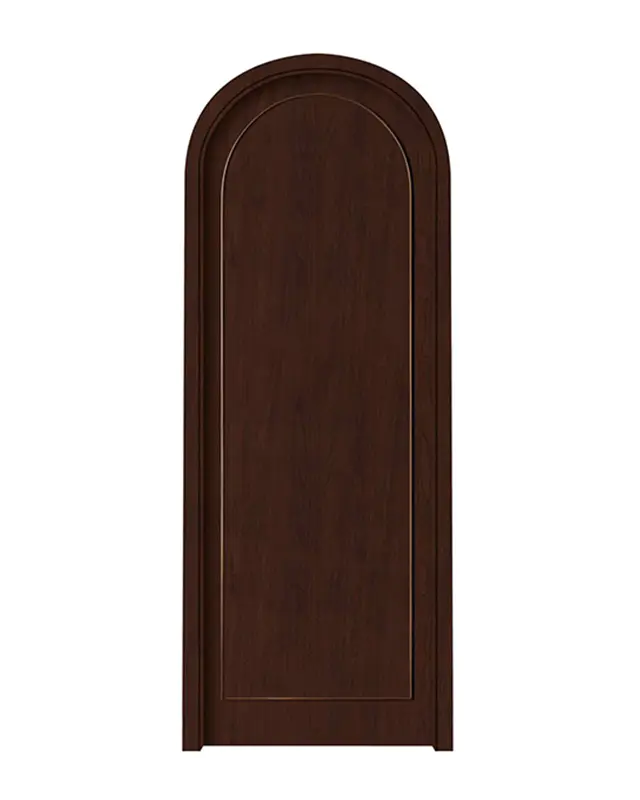
What Exactly Is a Veneer Interior Door, Anyway?
Strip away the marketing language and a Veneer Interior Door is really just two things working together: a core, usually engineered wood or some composite blend, wrapped in a thin skin of real or engineered wood veneer bonded onto the surface. That combination gives you the visual warmth of natural wood grain without solid wood's price tag or its tendency to move with the seasons.
Here's the thing buyers miss constantly. Two doors can look nearly identical on the outside while behaving completely differently once installed, purely because of what's happening beneath that veneer layer. A thin skin over a badly built core is a different product entirely from one where care went into both layers.
Does the Core Matter More Than What's on Top of It?
In many cases, yes, even though buyers often focus on appearance when making a choice. A solid core helps prevent warping, balances weight distribution, and provides better stability when exposed to changes in humidity and temperature compared with a weaker structure. A beautiful veneer placed over an unreliable core only hides potential issues that may appear later, such as bubbling, peeling, or separation.
So ask about the core. Don't just admire the grain pattern and assume everything underneath matches that same level of craftsmanship.
Veneer Versus Everything Else: How the Comparison Actually Shakes Out
Interior door material comparison usually comes down to veneer against solid wood, laminate, and plain composite options. Each brings its own baggage.
- Solid wood feels authentic because it is authentic, though that authenticity comes with a higher price and real vulnerability to humidity swings
- Laminate skips real wood entirely, using a printed layer instead, which keeps cost down but sacrifices some of that tactile, genuine feel
- Composite cores wrapped in veneer split the difference, offering more dimensional stability than solid wood while still looking and feeling more natural than laminate
- Veneer doors specifically carve out that middle territory, delivering real wood appearance layered over a structure built for consistency
None of these options can be considered a clear winner in every situation. The right choice depends on whether it matches the project's budget, the surrounding climate, and the intended visual style.
So Why Do So Many Buyers End Up Choosing Veneer Anyway?
Because it splits the difference well. You get visual authenticity that gets close to solid wood, paired with an engineered core that shrugs off humidity and temperature shifts far better than solid wood manages on its own. That combination explains why veneer shows up everywhere, homes, hotels, offices, wherever someone wants natural wood looks without natural wood headaches.
Factors Worth Actually Comparing
| Comparison Factor | What to Check | Why It Matters |
|---|---|---|
| Core Construction | Material type and density underneath the veneer | Determines long-term resistance to warping |
| Veneer Thickness | How substantial the surface layer actually is | Thicker veneer allows more refinishing over the years |
| Moisture Resistance | Behavior under humid or fluctuating conditions | Prevents swelling or surface separation |
| Surface Finish Quality | Consistency of the protective coating application | Affects durability against daily wear |
| Application Suitability | Match to residential, hospitality, or office use | Ensures the door actually meets real usage demands |
Moisture: The Quiet Factor That Ruins Doors Slowly
Not every interior door faces the same humidity. A door near a kitchen or bathroom lives a rougher life than one tucked into a quiet hallway, and this gap in exposure matters a lot when weighing veneer options against each other.
Doors built with genuine moisture resistance, both in the core material and in how the veneer actually gets bonded, tend to shrug off higher humidity settings without the swelling or peeling that poorly made doors eventually develop.
Should This Concern Extend to Drier Spaces Too?
Probably, yes. Building conditions can change over time. A space that begins as a dry environment may face different conditions later due to renovation work, adjustments in climate control, or changing usage habits. Doors without moisture resistance may struggle when unexpected conditions appear. It is better to view moisture resistance as a basic consideration for various projects rather than something only needed in bathrooms.
Where Different Door Types Actually Belong
Veneer Interior Door specifications need to match how hard a space actually gets used, not just how it looks in a brochure.
- Residential projects mostly care about matching an overall design theme throughout the home
- Hospitality spaces, hotels especially, need doors tough enough for heavy daily traffic while still looking sharp
- Office environments split the difference, balancing appearance against the wear that comes from a full workday of use
- Multi-family residential builds need consistency across many units, which makes standardized specs genuinely valuable at scale
Do Hotels Really Need Something Different From a Home Installation?
Pretty much always, yes. A hotel corridor experiences far more regular foot traffic than a typical residential door. This level of use requires stronger core construction and finishes designed to handle repeated contact and wear that may be less noticeable in a home environment. Buyers sourcing for hospitality projects should say this out loud to suppliers early. Don't assume a standard residential-grade spec will hold up under that kind of traffic without someone flagging the mismatch first.
Design Flexibility: The Conversation Buyers Sometimes Skip
Beyond material and build quality, there's the question of whether a supplier can actually accommodate specific sizing, panel styles, or finish matching across a bigger project.
- Custom sizing matters wherever door openings don't follow standard dimensions
- Panel style, flush, raised, paneled, shapes how the door reads within a broader interior look
- Finish matching keeps veneer color and grain consistent across multiple units in the same order
- Hardware compatibility deserves a check early, since certain door builds pair better with specific hinges or locks than others
Bringing these questions up early saves headaches. Discovering a supplier can't match finish consistency after an order's already placed is a considerably worse conversation to have.
Why Does Finish Matching Matter So Much More at Scale?
Picture a hotel corridor lined with doors installed side by side. Any inconsistency in veneer tone or grain jumps out immediately in a way it simply wouldn't in a single home with a handful of doors spread across separate rooms. Buyers managing volume orders should confirm a supplier's ability to hold consistent color and grain matching across a full production run, rather than assuming natural material variation will just work itself out.
Looking Past the Product: Evaluating the Supplier Behind It
Once the material and design questions are settled, supplier capability becomes the next real hurdle, especially for anyone placing volume orders or building an ongoing supply relationship.
Working with an interior door wholesale supplier that can actually handle consistent production at volume matters considerably, since uneven timing or quality drift between batches creates real problems for project schedules. Worth asking about:
- Actual manufacturing capacity and practical delivery schedules based on the requested order volume.
- Quality control steps used to keep consistency across runs
- Export experience and paperwork capability for international shipping
- Whether samples are available for hands-on review before a full commitment
Why Do So Many International Buyers Gravitate Toward China Interior Door Manufacturers?
Production capacity, competitive pricing, and years of export experience make this an appealing route for buyers handling larger or ongoing projects. That said, the same scrutiny around quality control, sample verification, and communication reliability should apply no matter where the manufacturing happens. Geography alone isn't a quality guarantee.
Request samples. Confirm quality documentation. Do this regardless of whether the supplier sits down the road or across an ocean.
A More Structured Way to Compare Veneer Doors
Rather than relying only on initial impressions or listed prices, following these steps can help create a choice that remains suitable over time:
- Confirm what the core is actually made of, and how that affects stability and moisture handling
- Compare veneer thickness and finish quality across whichever suppliers are in the running
- Match the door spec to how the space will actually get used, home, hotel, or office
- Sort out customization needs early, sizing, panel style, finish matching
- Check production capacity, quality control, and export capability if volume matters
- Get samples in hand before signing off on anything final
Skip ahead past any of these steps and you're gambling on appearance carrying the whole decision, which rarely ends well once the doors are actually installed and living their working life.
Comparing veneer doors properly requires attention to core construction, moisture resistance, practical application needs, and supplier reliability rather than focusing only on how the surface appears under showroom lighting. Taking time to evaluate these factors before making a decision can help buyers choose doors that continue to perform well over time instead of facing unexpected issues soon after installation. Zhejiang Haibo Door Co., Ltd. works alongside buyers sorting through exactly these comparisons, helping match door construction and design choices to what a given project genuinely needs. Reach out with your project details or specific requirements, and the conversation about which door spec actually fits can start from there.
 Previous


