


 русский
 Français
 Español
 Indonesia
 عربى
عربى



A homeowner standing in a hallway, wondering why the bedroom door keeps hitting the wardrobe whenever it swings open, quickly sees why door selection deserves careful consideration. Interior doors are often treated as a simple part of a building, easy to overlook once installed. They separate rooms, control movement, and provide a degree of privacy without much fanfare. Yet their role can change considerably depending on where they actually get installed and how the room around them gets used.
A bedroom door has genuinely different needs from an office door down the hall. A storage room may benefit from easy access above all else, while a commercial space may require a design that fits frequent movement throughout the day. Public areas can also call for a different balance between privacy, appearance, and practical use, depending on who's passing through.
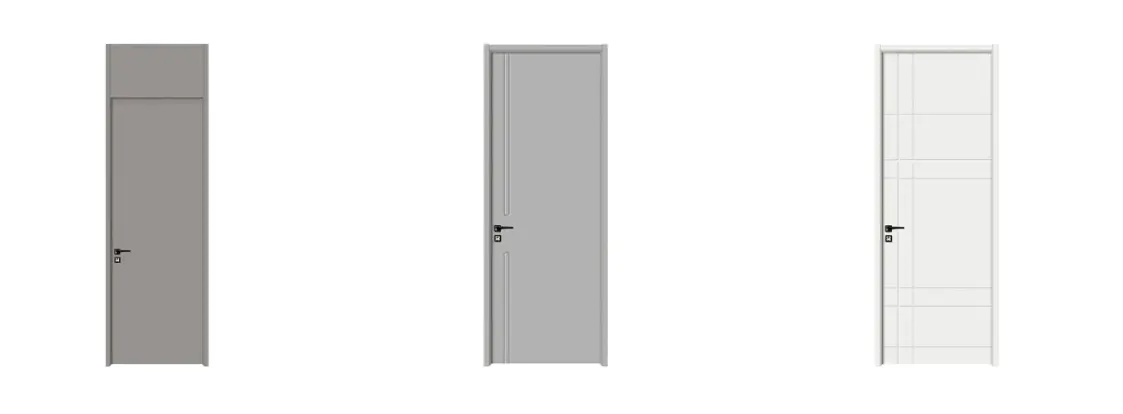
This makes door selection closely connected to room function, rather than a decision made purely on looks.
A suitable door does a lot more than close an opening between two spaces. Its material, surface, opening method, appearance, and maintenance needs can influence how people actually use the surrounding space day to day. When these elements get considered together, a standard interior door can adapt to many environments without making the design process unnecessarily complicated.
What Role an Interior Door Plays in Different Spaces
Every room has its own particular rhythm, shaped by who uses it and how often.
A bedroom may remain quiet and private for much of the day. An office may involve regular movement as people come and go between meetings. A storage room may get opened repeatedly whenever items are needed for the day's work. A commercial area may need to balance appearance with everyday practicality under constant foot traffic.
The door becomes part of that rhythm, whether it's noticed or not.
| Room Function | Main Door Consideration |
|---|---|
| Bedroom | Privacy and visual comfort |
| Home office | Separation and ease of access |
| Storage room | Practical opening and closing |
| Public area | Movement and simple maintenance |
| Commercial space | Appearance and everyday usability |
The same basic door design can often get adapted to several of these situations without starting from scratch each time.
The difference comes from how the door gets specified and installed, not from some fundamentally different product. A room with limited floor space may benefit from a door arrangement that doesn't interfere with furniture crowded nearby. A larger public area may have more freedom in its opening direction and visual design, since space isn't at a premium.
Thinking about the room before choosing the door can prevent unnecessary compromises discovered only after installation.
How Bedroom Doors Can Support Privacy and Comfort
Bedrooms are usually associated with rest and personal space, a retreat from the rest of the house.
A door used in this setting should create a clear separation from nearby rooms, without making the room feel disconnected from the rest of the home entirely. Appearance also matters quite a bit here, more than in some other rooms.
Many homeowners prefer a bedroom door that blends with the surrounding wall, furniture, and floor rather than standing out. A simple surface can create a genuinely calm visual effect, while a decorative finish can become part of the room's interior style instead.
The opening direction deserves attention as well, more than people usually think about upfront.
Furniture placement can influence how easily the door actually opens day to day. A bed, wardrobe, desk, or cabinet may restrict movement around the doorway if nobody planned ahead. Planning the door together with the room layout can make the available space genuinely easier to use.
A Polyvinyl Chloride Door can be considered in interior applications where easy cleaning and a practical surface prove useful, particularly in humid climates. Its suitability still depends on the room environment, design preference, and installation requirements specific to that space.
The key point is that a bedroom door should support the way the room actually gets used, rather than getting selected only for its appearance in a showroom.
Can Office Doors Improve the Use of Working Space?
An office door often serves a genuinely different purpose from a bedroom door down the hall.
It may need to create separation while still allowing people to move between work areas throughout a busy day. A door that's difficult to operate can become genuinely noticeable when it's used frequently, opened and closed dozens of times before lunch.
The surrounding layout also matters considerably here. Desks, chairs, cabinets, and meeting areas can all affect the available space around the doorway, sometimes in ways that only become obvious after furniture gets moved in.
Office door selection can therefore involve several practical questions worth asking before ordering:
- Does the door fit the available layout?
- Is the opening method convenient?
- Does the appearance match the workplace?
- Is the surface easy to maintain?
- Does the door provide the desired degree of separation?
The visual character of an office can also influence how the door gets perceived by employees and visitors alike.
A plain surface may suit a simple, no-frills workspace just fine. A wood-inspired finish may create a genuinely warmer atmosphere for a client-facing area. A clean modern design can fit offices where the surrounding furniture follows a similar aesthetic already.
The door doesn't need to dominate the room it's part of.
In many cases, a well-matched interior door works by supporting the existing design, rather than competing with it for attention.
How Doors Should Get Selected for Storage Areas
Storage spaces are usually organized around access and convenience, rather than visual appeal.
People open storage doors when they need to retrieve or put away items, often while carrying something else in their hands. The door should therefore work with shelves, cabinets, and the available walking area, rather than fighting against them.
A storage room can be genuinely small, which makes door placement especially important in that context.
If the door opens into a narrow area, it may interfere with shelves or stored objects sitting just inside. The location of handles and the direction of movement can also affect how easily someone can actually reach the contents once the door's open.
Surface maintenance is another consideration worth thinking through.
Storage areas may collect dust or experience frequent contact around the handle from repeated use. A practical surface can make routine cleaning genuinely easier over time.
A Polyvinyl Door can be considered for some interior storage applications because its surface can suit simple cleaning routines without much fuss. The final choice should still reflect the room's environment and the overall interior design surrounding it.
Storage doors don't need complicated decoration to do their job well.
Their value often comes from allowing the room to function without creating unnecessary obstacles in the way.
What Makes Public Area Doors Different
Public areas often experience genuinely more varied movement than private rooms tucked away from view.
People may enter and leave from different directions throughout the day, following patterns that shift depending on the hour. The surrounding space may also need to remain visually open and easy to understand at a glance.
This changes the way interior doors get considered in that context.
A door in a public area should work with the circulation pattern of the space around it. Its location shouldn't create unnecessary interference with nearby walkways or furniture that people navigate constantly.
Appearance can also play a genuine role here, more than in a private room.
In shared spaces, doors are visible to many people passing through over the course of a day. A consistent design can help create a genuinely more organized interior overall.
Maintenance is another practical issue worth planning for.
Public spaces may require regular cleaning because many people interact with the surrounding surfaces constantly. Door materials and finishes should therefore get selected with the expected cleaning routine in mind from the start.
The goal isn't making every public door identical to the next.
Instead, the design should fit the building's overall visual language while supporting everyday movement through the space.
How Commercial Spaces Can Use Standard Interior Doors
Commercial interiors can include offices, studios, clinics, retail areas, hospitality spaces, and other environments, each with its own particular character.
Each setting has its own requirements shaped by who moves through it. A door in a small service room may get chosen mainly for practical access, without much concern for appearance. A door near a customer-facing area may need to coordinate a lot more closely with the surrounding decoration instead.
Commercial spaces also tend to have several rooms with genuinely different functions under one roof.
For example, one building may contain several distinct areas at once.
| Area | Door Design Focus |
|---|---|
| Reception area | Visual coordination |
| Staff office | Privacy and access |
| Storage room | Practical use |
| Service room | Easy maintenance |
| Meeting room | Separation and appearance |
Using a consistent door family across these areas can create genuine visual continuity throughout the building.
At the same time, small differences in finish, hardware, or opening arrangement can help distinguish individual functions from one room to the next. This balance allows a building to feel organized without making every room look exactly the same as its neighbor.
How Door Material Affects Room Function
Material selection can influence a lot more than appearance alone.
It can affect cleaning, surface feel, visual style, and how the door fits the surrounding environment it's installed within. Different materials can get selected according to the expected use of that particular room.
For example, a surface that's simple to wipe down may prove convenient in a room where regular cleaning is part of daily operation, like a kitchen-adjacent space. A decorative surface may be more appropriate when visual appearance carries genuine weight in the room's overall design.
The material should also work with nearby elements already in place.
Consider a room with wooden furniture, a patterned floor, and neutral walls surrounding it. A door with a compatible finish can help connect these elements into a cohesive whole. In contrast, a highly decorative door may feel genuinely out of place in a simple storage area nobody sees.
Material decisions should therefore begin with the room's purpose in mind, not the catalog page.
The door should support the environment around it, rather than getting selected in isolation from everything else.
Can One Door Style Work Across Different Interior Spaces?
Standardization can make interior planning genuinely easier for anyone managing multiple rooms at once.
When several rooms use related door designs, purchasing, installation, replacement, and maintenance can all become a lot more straightforward down the line. However, standardization doesn't mean every room has to look completely identical to the next.
A basic door style can get adapted through several small changes:
- Surface finish
- Color selection
- Hardware
- Handle design
- Opening direction
- Frame treatment
This creates genuine flexibility while maintaining a consistent visual identity throughout the property.
For property developers, contractors, and interior designers, this approach can simplify planning considerably. A familiar door structure can get used across several spaces while small design changes respond to individual room functions as needed.
The same principle applies just as well to homes.
A homeowner may prefer one general door style throughout the property but choose different finishes for bedrooms, offices, and utility areas depending on each room's character. This creates a connected appearance without ignoring the practical differences between rooms living under the same roof.
How Door Design Should Work With Available Space
Room size can strongly influence how an interior door actually gets experienced day to day.
In a compact room, every part of the layout matters a great deal. The door needs to work with furniture, storage, and walking paths without getting in anyone's way. In a larger room, there may be genuinely more freedom to work with.
Still, a door shouldn't get considered separately from the surrounding architecture around it.
Before installation, it can be useful to consider several things:
- Where people normally enter and leave
- Where furniture will be positioned
- Which direction the door will move
- Whether the handle is easy to reach
- How nearby doors interact with each other
- Whether the doorway interrupts a common walking path
These details can make a genuinely noticeable difference in everyday use, even if they seem minor on paper.
A well-planned door can make a room feel a lot more open simply because it doesn't interfere with the way people move through it. This is particularly relevant in homes with narrow corridors or compact rooms where every inch counts.
What Buyers Should Consider When Comparing Interior Door Options
Buyers often begin with appearance because the door is what they notice when they see it.
Appearance matters, certainly, but it's only part of the larger decision. The room's purpose should guide the selection more than a photo in a catalog.
A useful comparison can include several factors weighed together.
| Consideration | Why It Matters |
|---|---|
| Room function | Defines practical requirements |
| Available space | Influences opening arrangement |
| Surface | Affects appearance and cleaning |
| Material | Influences use and maintenance |
| Hardware | Supports daily operation |
| Installation | Affects alignment and usability |
| Interior style | Keeps the room visually connected |
Cost can also matter in the decision, but it should get considered alongside expected use and maintenance, rather than in isolation.
A low-maintenance surface may be useful in a busy environment with frequent foot traffic. A more decorative finish may suit a customer-facing space where appearance matters.
The right choice isn't necessarily the same for every room in a building.
For manufacturers and suppliers, offering flexible interior door options can help customers adapt a familiar design to different applications without starting over each time. For buyers, understanding the difference between room functions makes it a lot easier to ask practical questions before placing an order.
Standard Interior Doors can serve many spaces when their design gets matched to the way each room actually gets used. Bedrooms may call for privacy and visual calm above all else. Offices need practical separation that doesn't slow down daily movement. Storage areas benefit from convenient access more than decoration. Public and commercial spaces may place more attention on movement, maintenance, and visual consistency across the whole building.
The door becomes genuinely more useful when these factors get considered together, rather than treated as separate decisions made in isolation from one another.
 Previous


