


 русский
 Français
 Español
 Indonesia
 عربى
عربى



Interior comfort comes together out of small details more than any single big feature. A room can have the right furniture and lighting and still feel a little off if you can hear the neighbor's television through the wall, or if the hallway feels noticeably colder than the bedroom every time the door swings open. Doors are one of those quiet contributors to daily comfort that people rarely think about until something's clearly wrong with one.
A Polyvinyl Chloride Door shapes that indoor experience through its structure and how its materials are put together, not just through the material name printed on a spec sheet. The door separates one space from another while forming part of the boundary between two different indoor conditions, and its weight, its internal core, how it connects to the frame, and where it seals all shape how it actually performs once it's hung and used every single day.
That makes a Polyvinyl Door something closer to a functional system than a simple passage between rooms. Its construction shapes how sound travels, how heat moves, and how a person interacts with it dozens of times over the course of an ordinary day. Standard Interior Doors offer similar separation on paper, but different materials and structures produce genuinely different lived experiences, and understanding those differences means looking past appearance toward what actually happens every time the door opens, closes, and gets used again.
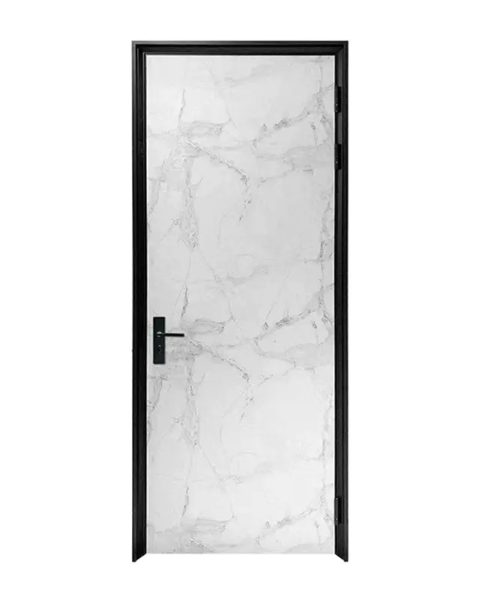
Why Door Structure Matters for Comfort
A door is built from several connected parts working together rather than one single material doing all the work. The outer material forms the visible surface a person actually touches, while the internal structure gives the door its body, weight, and stability underneath that surface. The frame and surrounding seals finish the picture, connecting the moving door to the fixed opening in the wall.
Each of these parts influences comfort in its own way. A door that closes evenly creates a more consistent barrier between rooms than one that sags slightly on its hinges over time. A well-matched frame cuts down on unwanted gaps that let drafts and sound sneak through. The internal construction shapes how sound and temperature actually move through the panel itself, not just around its edges.
This is exactly why door performance shouldn't get judged by material name alone. Polyvinyl chloride shows up in different structural forms depending on how a manufacturer builds around it, and the final result depends heavily on how that material gets combined with everything else in the assembly. A Polyvinyl Chloride Door often includes a structured core wrapped in an outer layer, an arrangement that creates a stable body while still supporting practical everyday operation, with the frame providing the actual connection between door and building.
| Door element | Contribution to everyday comfort |
|---|---|
| Outer material | Forms the main door surface and body |
| Internal structure | Supports shape and overall stability |
| Door frame | Connects the moving panel with the wall opening |
| Sealing area | Helps reduce unwanted gaps around the closed door |
| Hinges and hardware | Support opening and closing movement |
| Door weight and balance | Influence how the door feels during use |
A comfortable door comes out of several parts working in concert rather than any single feature carrying the whole load. Material matters, sure, but structure decides how that material actually behaves once it's hanging in a real doorway getting opened and closed a dozen times a day.
How It Influences Sound Insulation
Sound ranks among the more noticeable factors in everyday indoor comfort — voices, footsteps, a running dishwasher, someone's phone call in the next room, all of it travels between nearby spaces more easily than people expect. A door can't stop every sound cold, but its structure genuinely changes how much sound actually makes it through the opening.
The door panel itself forms part of that barrier. A solid, well-built panel makes sound movement noticeably harder than a thin opening with little separation behind it, and internal layers inside the panel shape how it responds once sound waves actually reach it. The connection around the edges matters just as much as the panel itself — even a well-built panel leaves gaps around the frame as an easy alternate path for sound to sneak through, which means insulation really depends on both the door and everything surrounding it working together.
A Polyvinyl Door is better considered as part of a complete sound-control system rather than as a standalone panel. The panel, the frame, the seals, and how the whole thing gets installed all shape the actual experience. What kind of room it's in changes what people actually notice, too — reduced background noise helps concentration in a home office, a quieter environment supports a calmer feeling in a bedroom at night, and limiting sound movement lets different activities coexist in a shared workspace without everyone distracting each other constantly. The real point isn't just blocking loud noises outright — it's cutting down the amount of unwanted sound leaking in or out during perfectly ordinary daily activity.
Can Door Materials Affect Thermal Comfort?
Temperature is the other half of interior comfort people tend to notice without quite naming it — a draft near a door, or a room that feels a few degrees cooler than it should. A door forms a physical barrier between two spaces, so its construction genuinely shapes how that separation actually feels underfoot and on skin.
Thermal performance comes down to the door's material, its internal structure, and how it meets the frame around it. A door with a reasonable internal arrangement provides a more substantial barrier than a thin panel with little support behind the surface. A Polyvinyl Chloride Door often uses an internal structure that separates parts of the door body from each other, which shapes how heat actually moves through the panel — and the frame and edge areas matter here too, since a poorly controlled opening can undercut the effect of even a well-built door sitting inside it.
The aim isn't isolating a room from every temperature swing in the building — buildings naturally respond to whatever's happening around them, and no door changes that entirely. A well-designed door instead helps create a more stable separation between different indoor spaces, which matters in everyday situations more than people realize. A bedroom used for rest benefits from that steadier indoor feeling at night, and a home office feels more comfortable when temperature swings between it and the hallway stay less noticeable throughout the workday. Thermal comfort ties closely to the complete door assembly — material choice answers part of the question, while internal construction and installation decide how that material actually functions once it's in place.
What Role the Internal Structure Plays
The internal structure disappears from view the moment a door gets installed, but it shapes the user experience in ways that stay hidden right along with it. It affects weight, stability, sound behavior, and thermal characteristics all at once, working quietly behind a surface nobody ever sees the inside of.
A door needs enough structural support to hold its intended shape through years of repeated use. When internal construction doesn't match the outer material well, the finished panel can lose that sense of stability during ordinary opening and closing — a slight wobble, a bit of flex that wasn't there when it was new. Internal structure also shapes sound movement, since different layers respond differently once sound actually reaches them, and how those layers get arranged changes how much sound energy actually passes through the panel rather than getting absorbed or reflected.
Thermal behavior connects to internal construction the same way. A door with different structural layers doesn't act like one thin sheet at all — the internal arrangement creates genuine separation within the door body itself, the same principle behind why a double-glazed window outperforms a single pane. For manufacturers, this creates a real design relationship worth taking seriously: outer material, internal support, and frame need consideration together rather than developed as three isolated parts assembled at the end. A Polyvinyl Door can carry different internal arrangements depending on the intended use, while the focus stays on the basic user experience — how the door feels, how it closes, how it separates spaces, how it behaves through years of ordinary use. This approach also gives manufacturers room to adjust the internal structure without changing the door's basic category, since changes to what's hidden inside can shift the finished product's behavior while keeping the same general material family on the label.
How the Frame Shapes the Experience
The frame gets overlooked easily because attention naturally goes to the door panel itself — it's the part you can see and touch. Yet the frame decides how the panel actually sits within the opening and how the door behaves the moment it closes.
A well-fitted frame keeps the door aligned properly, which tends to make opening and closing feel smoother in daily use and helps maintain more consistent contact all the way around the closed door rather than gaps opening up in one corner. The frame also has a direct link to sound insulation — if the gap between panel and frame isn't controlled well, sound finds a way around the door rather than through it, and the same principle applies to thermal separation just as directly.
This is exactly why a Polyvinyl Chloride Door deserves treatment as a complete assembly rather than an isolated panel sitting in a wall. The frame, hinges, seals, and surrounding opening all contribute to the final experience someone actually notices. Daily use makes these details hard to miss over time — a door that closes without excessive rattling movement feels more stable underfoot, and one that stays properly aligned cuts down on the small interruptions that build up through repeated use, day after day. A person may never think about the frame directly at all. They just notice whether the door feels consistent, which is exactly why structural design matters even when the components themselves stay largely hidden from view.
Why the Closing Experience Matters
Interior comfort isn't limited to sound and temperature alone. The physical experience of using a door plays its own role, since people interact with doors dozens of times over an ordinary day, and small differences add up into something noticeable over weeks and months of repeated use.
Door weight, balance, hinge movement, handle position, and closing behavior all shape this experience. A door that moves naturally feels easier to use than one that demands unusual force or constant little adjustments to close properly. How a door closes also shapes the surrounding environment — a sudden impact creates a sharp bang that echoes through the house, while a controlled closing movement produces a quieter, calmer interaction that barely registers.
For a Polyvinyl Door, these details connect directly to structure. Material selection shapes the panel itself, while hardware and frame construction shape how the complete assembly actually moves through space. Panel stability matters here, since the door body needs to hold its intended form through repeated movement rather than warping or sagging over time. Balanced movement matters too, since the relationship between panel weight and hardware shapes how naturally the door opens and closes. Frame connection keeps the panel properly positioned within the opening, edge contact determines whether the closed door meets the frame consistently every single time, and everyday handling comes down to whether the whole thing simply feels natural during normal use. These details look small individually, but they shape how people actually experience the product — interior comfort tends to build up through many ordinary interactions rather than arriving through one dramatic feature.
Comparing Polyvinyl Doors With Standard Interior Doors
Standard Interior Doors draw on a wide range of materials and construction methods, so their performance depends on the particular structure behind any given door rather than the category name alone. A Polyvinyl Chloride Door offers another approach to construction, with material that can be formed and combined with internal structures suited to the intended use, giving manufacturers real flexibility around sound, thermal separation, weight, and daily operation.
| Consideration | Polyvinyl-based door structure | Standard interior door structure |
|---|---|---|
| Panel construction | Can use a formed outer material with internal support | Varies according to material and design |
| Sound behavior | Influenced by panel layers and edge sealing | Depends on panel and frame construction |
| Thermal separation | Related to internal structure and door assembly | Varies with material and internal construction |
| Door movement | Influenced by weight and hardware selection | Depends on the complete door assembly |
| Design flexibility | Can support different structural forms | Varies by material and manufacturing method |
| Daily experience | Shaped by panel, frame, hardware, and seals | Also depends on the complete assembly |
None of this makes one category universally suitable for every application out there. Different rooms and buildings carry different needs, and the useful question is really how a chosen structure responds to the conditions the door will actually face once it's installed and in daily use. A Polyvinyl Door deserves evaluation through its complete construction — looking only at the outer material gives an incomplete picture of what it actually contributes to interior comfort.
What Manufacturers Should Consider
Manufacturers tend to get further by starting with the experience they want a finished door to support, since sound movement, temperature separation, physical handling, and structural stability all connect through the same door assembly rather than living in separate boxes.
The internal material needs to work with the outer construction rather than fight against it. The frame needs to genuinely support the panel it holds. Hardware needs to match the door's overall structure, and sealing areas need to stay consistent through years of normal use rather than degrading after a season or two. Production processes matter just as much here — cutting, forming, joining, assembly, and inspection all shape how the finished door actually behaves once it leaves the factory, and consistent manufacturing cuts down on unwanted differences between individual units that would otherwise leave one door feeling solid and the next feeling flimsy for no obvious reason.
A practical production review works through how the internal structure supports the panel, how the frame connects with the door, how the edges meet when it closes, how sound might move through the panel and surrounding areas, how temperature moves through the door structure, how the hardware influences opening and closing, and how the completed assembly feels during years of repeated daily use. Working through these questions gives manufacturers a broader way to think about a Polyvinyl Chloride Door — not simply a material dropped into a doorway, but a structured part of the indoor environment, with its performance shaped by how the panel, internal materials, frame, hardware, and everyday movement all interact with each other.
As door production keeps exploring different material combinations and structural designs, attention can stay on these practical relationships rather than drifting toward appearance alone. How a door handles sound, temperature, movement, and years of repeated use starts with decisions made long before the finished panel ever reaches an occupied room.
 Previous


