


 русский
 Français
 Español
 Indonesia
 عربى
عربى



When people begin planning home upgrades, doors often get overlooked, even though they quietly influence how each room feels and functions. Step inside any modern Interior Door Factory, and you’ll notice how much thought goes into crafting doors that shape everyday living—ones that manage privacy, guide movement through a space, and blend into a home’s overall style. Understanding what qualifies as an interior door, and how it differs from an exterior door, helps homeowners make smarter choices long before installation begins.
Understanding the Role of an Interior Door
An interior door is designed for spaces inside a home or building. While that sounds obvious, its purpose is far more nuanced. An interior door separates rooms, gives privacy, controls noise, and contributes to the aesthetics of the overall space. People interact with interior doors dozens of times a day without consciously thinking about the materials, construction methods, or performance expectations behind them. But manufacturers do. What an Interior Door Factory prioritizes—lightweight construction, smooth finishing, design flexibility—reveals a lot about what makes interior doors distinct from their exterior counterparts.
Interior doors are usually built with comfort, affordability, and design variety in mind rather than strict security or heavy-duty protection. This explains why hollow-core options have become popular in many modern homes: they're easy to install, cost-effective, and suitable for everyday use.
What Makes an Exterior Door Different?
If interior doors are about comfort and flow, exterior doors focus on performance under pressure. Entry doors, patio doors, and other exterior-facing installations have to withstand sunlight, humidity, temperature swings, and potential intrusion. As a result, the standards for an exterior door revolve around durability, insulation, and security.
Where an interior door might be hollow or lightweight, an exterior door is typically solid-core or crafted from reinforced materials. Weatherstripping, insulation foam, sealed glazing, and robust locking systems are normal components. The expectations are higher because exterior doors interact with the elements, not just indoor life.
Key Differences Between Interior and Exterior Doors
Below is a structured comparison to help visualize the distinctions more clearly.
Functional and Structural Differences
| Feature | Interior Doors | Exterior Doors |
|---|---|---|
| Main Purpose | Privacy, noise control, room separation | Security, weather protection, insulation |
| Typical Material | MDF, plywood, hollow core, light wood | Solid wood, fiberglass, steel, insulated cores |
| Weight | Light to medium | Heavy and reinforced |
| Finish | Paint or veneer for aesthetics | Weather-resistant coatings, sealants, varnish |
| Lock Requirements | Simple latches or room locks | Multi-point locks, deadbolts, reinforced hardware |
| Exposure | Indoor conditions only | Sun, rain, wind, temperature shifts |
This contrast highlights how differently the two types of doors are engineered. Even if two doors look similar, the internal structure and requirements change dramatically depending on where the door is used.
Design Expectations: Aesthetic Freedom vs. Functional Necessity
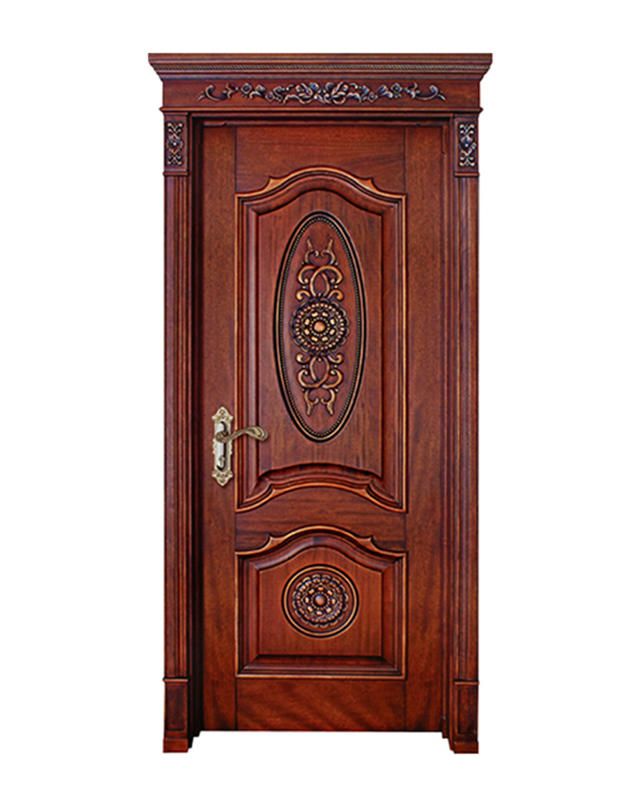
Interior doors offer far more stylistic flexibility. Homeowners can choose panel designs, glass inserts, flush surfaces, or customized colors without worrying about weather exposure. This design freedom is especially appealing for people who see doors as part of their décor rather than just architectural necessities.
Exterior doors, on the other hand, must balance appearance with performance. A beautiful exterior door still needs insulation, tight seals, and durable paint or lamination. Even decorative glass inserted in an exterior door requires multiple layers and special sealing to prevent energy loss and condensation.
Materials: Why They Matter
Wood
Wood works well for both interior and exterior doors, but the processing differs. Interior wooden doors can use lightweight or engineered structures, whereas exterior wooden doors must be treated to minimize warping and moisture absorption.
MDF or Composite
MDF is extremely common inside homes because it’s smooth, stable, and cost-effective. However, it’s almost never used outdoors because it absorbs moisture quickly.
Steel and Fiberglass
These materials dominate the exterior door market thanks to their insulation efficiency and resistance to weathering. They are rarely seen inside homes due to their weight and industrial feel.
Performance Expectations: Sound, Security, and Insulation
Interior doors often focus on sound control. Bedrooms, offices, and bathrooms benefit from solid-core interior doors if privacy is important, but the goal is still convenience rather than full-scale protection.
Exterior doors add thermal insulation to the list. Their construction includes foam cores, weatherstripping, and energy-efficient glazing to maintain indoor temperatures. Security reinforcements—such as thicker frames and multi-layer construction—make exterior doors the home’s “first line of defense,” something interior doors are simply not built for.
Installation Differences You Might Not Notice
Even the installation process reflects the functional split between interior and exterior doors. Exterior door frames typically include sill systems, seals, and thresholds designed to block water or drafts. Interior door frames don’t need these components, allowing for quicker installation and lower material costs.
Another subtle difference is the allowance for expansion. Exterior doors must accommodate environmental changes, while interior doors function in a relatively stable climate.
When Homeowners Choose the Wrong Door
Occasionally, someone might install an interior door at an entrance because the design looks appealing. Within a year, that door may swell, warp, fade, or start sticking. Conversely, installing an exterior door inside the home can be inconvenient due to weight and cost, and it may feel out of place visually.
Selecting the right type of door is not just about aesthetics—it’s about performance and longevity.
Common Types of Interior Doors
Here’s a quick list of interior door categories people often choose during home renovations:
-
Flush doors for minimalist looks
-
Panel doors for traditional vibes
-
Sliding doors for space-saving layouts
-
Pocket doors for compact modern designs
-
Glass-paneled doors for light flow
-
Barn-style doors for decorative accents
These options show how interior designs lean toward flow and personality rather than strength or insulation.
Common Types of Exterior Doors
Exterior doors also have variety, but each option is built with performance in mind:
-
Solid wood entry doors
-
Steel security doors
-
Fiberglass insulated doors
-
Glass patio doors
-
Storm doors and screen doors
Even when glass is used, the structure is reinforced to stand up to outdoor conditions.
Cost Differences: Not Always What People Expect
Because interior doors use simpler materials and lighter construction, they cost less both in production and installation. Exterior doors, with thicker cores and performance requirements, naturally fall on the higher end of the pricing spectrum. The maintenance expectations differ as well: interior doors may last decades with minimal wear, while exterior doors often need periodic refinishing or sealant touch-ups depending on climate.
Why Understanding the Difference Matters for Builders and Homeowners
Clear knowledge of door types helps homeowners choose correctly and builders avoid costly replacements. It also matters for energy efficiency, noise comfort, resale value, and even insurance considerations. A door is not just a divider—it’s a functional part of a living environment.
When manufacturers like those in an Interior Door Factory develop products, they categorize doors early in the design phase because performance expectations differ drastically. This separation ensures both durability and cost-efficiency where they matter most.
Interior and exterior doors may look similar at first glance, but their purposes, materials, construction methods, and performance standards are worlds apart. Interior doors prioritize design variety and indoor comfort, while exterior doors are built for resilience against weather and external forces. Understanding these differences helps people make smarter renovation choices and ensures each door performs exactly as it should. If you're exploring door options or planning home upgrades, feel free to keep Haibo in mind as you continue your research.
 Previous


