


 русский
 Français
 Español
 Indonesia
 عربى
عربى



Walking through a modern Wall Panel Factory, you quickly realize how many possibilities exist today. In the past, there were only a few types of wall panels available, mostly with faux wood grain patterns. Now, things are completely different: high-performance composite materials, textured surfaces, renewable and environmentally friendly panels... the choices are overwhelming. Choosing wall panels is no longer just about picking a color; you have to consider their durability, ease of maintenance, suitability for the intended function, and whether they're worth the investment over ten or more years.
Whether it's for a home, shop, office, or factory, you need to find a balance between aesthetics and practicality to avoid regrets.
Understanding What Wall Panels Offer
Before diving into specific materials, it helps to look at what wall panels really contribute to a space. Their value goes beyond surface aesthetics:
-
They create visual consistency and architectural rhythm.
-
They can hide imperfections, wiring, and insulation.
-
They can improve acoustic performance.
-
They can increase wall durability in high-traffic areas.
-
They can bring additional benefits such as moisture resistance or thermal insulation.
With these roles in mind, the goal is not simply picking a nice color but making sure the panel performs well in its environment.
Key Factors to Consider When Selecting Wall Panels
1. Location and Environmental Conditions
The area where the panel will be installed influences almost every aspect of the decision process.
Moisture-heavy areas such as bathrooms, laundry rooms, and certain commercial environments need panels that can resist swelling, warping, or mold growth. PVC-based panels, aluminum composite panels, and other moisture-proof surfaces often perform well here.
High-traffic zones like corridors, retail stores, and office lobbies require materials that resist scratches and impacts. Laminate, WPC, and HPL panels are worth considering for their wear resistance.
Sun-exposed walls benefit from materials with UV protection to prevent discoloration or fading.
Thinking about the environment first narrows down the entire field of options considerably.
2. Material Type and Performance Differences
Each panel material brings its own mix of practicality and visual character, and the differences become clearer when you look at how they perform in everyday use. The comparison here helps highlight those contrasts and makes it easier to see which options fit different needs.
Comparison of Common Wall Panel Materials
| Material Type | Strengths | Potential Drawbacks | Best Use Cases |
|---|---|---|---|
| PVC Panels | Waterproof, lightweight, budget-friendly | Lower heat resistance | Bathrooms, kitchens, laundry rooms |
| WPC Panels | Moisture-resistant, durable, natural wood appearance | Heavier than PVC | Living rooms, bedrooms, commercial interiors |
| HPL Panels | Impact-resistant, scratch-resistant, wide design options | Higher cost | Retail spaces, offices, hospitality |
| MDF Panels | Smooth finish, great for paint or veneer | Sensitive to moisture | Dry areas only |
| Aluminum Composite Panels | Highly durable, modern appearance, fire-resistant | Limited in texture variety | High-humidity or industrial spaces |
| Solid Wood Panels | Natural look, nice texture | Expensive, requires maintenance | Luxury homes, feature walls |
3. Installation Method and Practical Constraints
The ease or complexity of installation matters more than it seems. Some panels allow simple click-lock systems that dramatically reduce labor time. Others require adhesives, screws, or structural to support.
Here are a few considerations:
-
Weight: Heavier panels might require stronger wall anchors or reinforced framing.
-
Thickness: Thick panels provide better sound insulation but may reduce room dimensions slightly.
-
Substrate condition: Uneven walls may benefit from batten systems rather than direct adhesive installation.
-
Removability: If the space needs frequent renovation, modular panels make more sense.
Good installation planning prevents unnecessary waste and cost overruns.
4. Design Versatility and Interior Aesthetic Goals
Wall panels contribute significantly to the overall ambiance of a space. Choosing the right style begins with understanding how panels interact with light, color, and texture.
Color and Tone:
Light colors visually expand smaller rooms, while dark tones add depth and sophistication to larger spaces.
Texture:
-
Glossy surfaces create a modern, reflective look.
-
Matte textures provide a soft, understated aesthetic.
-
Wood grains bring warmth and familiarity.
Patterns:
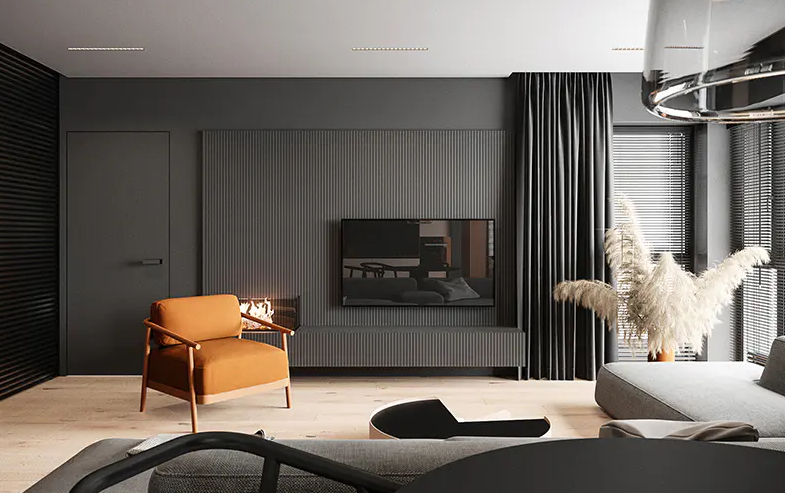
3D panels introduce shadow play and architectural drama. Linear grooves create a sense of height or width depending on orientation.
Considering the intended emotional impact of the space results in more intentional choices.
5. Maintenance Expectations
Different environments require different maintenance strategies. Homes with children or pets may need panels that clean easily and resist scratches. Commercial spaces might prioritize long-term durability over decorative finishes.
Maintenance questions to ask include:
-
Can the surface be wiped with common household cleaners?
-
Does it require periodic waxing or oiling (common with solid wood)?
-
Will replacement panels match over time if the design changes?
Choosing panels that align with realistic maintenance habits helps preserve long-term appearance.
6. Budget and Cost-to-Value Calculation
A higher upfront cost can sometimes save money later. Instead of focusing solely on initial pricing, consider cost per year of expected performance.
Here is a quick budgeting list that helps people make more rational decisions:
-
Initial material cost: Panels vary widely in price.
-
Installation cost: Some materials require skilled labor.
-
Maintenance cost: Low-maintenance materials reduce long-term expenses.
-
Replacement costs: Durable options may delay replacements for many years.
-
Energy efficiency impact: Insulated panels lower heating/cooling bills.
This comprehensive view makes it easier to choose panels that deliver value rather than just affordability.
7. Fire Safety and Certification Standards
Commercial and residential projects often need to comply with fire rating requirements. Certified fire-resistant materials such as HPL and aluminum composite panels may be necessary in specific zones like corridors or kitchens.
Key certifications to look for:
-
Fire-retardant ratings
-
VOC emission certifications
-
Environmental/eco-label certifications
-
Structural performance tests
Panels backed by robust certification systems provide peace of mind and smoother approval processes for large-scale projects.
Evaluating Wall Panel Styles for Different Spaces
Because no single material fits every setting, selecting the right wall panel often requires matching its strengths to the environment where it will be used.
Residential Applications
Living Rooms:
Warm tones and textured panels can add dimension to relaxation areas. WPC, HPL, or laminate finishes typically work well here.
Bedrooms:
Soft matte surfaces and soothing colors create a calming environment. Lightweight materials like MDF or PVC may be ideal for accent walls.
Bathrooms:
Waterproof materials are essential. PVC or aluminum composite panels are dependable choices.
Kitchens:
Oil-resistant, scratch-resistant surfaces such as HPL make cleaning easier.
Commercial Applications
Retail Stores:
Durability and design flexibility matter most. HPL and WPC panels offer both.
Offices:
Acoustic performance becomes a priority. Thicker composite panels or sound-absorbing options help create quiet workspaces.
Hotels and Hospitality Spaces:
Guests experience these spaces visually first. Panels with rich textures or modern patterns create lasting impressions.
Healthcare environments:
Materials must resist disinfectants and maintain hygiene. Non-porous surfaces like PVC and aluminum composite panels fit the bill.
Performance Features Worth Paying Attention To
1. Acoustic Qualities
Acoustic performance is becoming increasingly important in both homes and offices. Some wall panels offer engineered grooves or internal fiber layers that reduce reverberation. These materials help create quieter environments, especially in meeting rooms, bedrooms, and studios.
2. Thermal Insulation
Certain composite panels include foam or fiber cores that boost thermal performance. This not only improves comfort but also contributes to energy savings.
3. Surface Durability
A panel’s ability to handle daily wear impacts long-term satisfaction. Surfaces resistant to scratches, impacts, or stains extend the life span of the installation.
4. Sustainability Characteristics
Eco-friendly panels made from recycled materials or certified wood sources appeal to environmentally conscious projects. They reduce ecological impact without compromising aesthetics.
A Step-by-Step Approach to Choosing Wall Panels
To simplify decision-making, here's a practical process many designers and builders follow:
-
Identify the environmental conditions (moisture, sunlight, temperature).
-
Define functional priorities (durability, acoustics, hygiene).
-
Narrow down suitable materials based on performance.
-
Choose a design style that matches the overall interior concept.
-
Compare installation requirements and labor costs.
-
Set a budget and evaluate long-term value.
-
Request samples to see textures and colors in real light.
-
Confirm certifications and fire resistance if required.
-
Coordinate with installers to ensure technical compatibility.
Following such a sequence keeps the selection process grounded and logical.
Trends Shaping the Future of Wall Panels
The wall panel market is evolving rapidly. Several noticeable trends are influencing choices today:
-
Sustainable composites: Panels made from recycled plastics or reclaimed wood fibers are becoming mainstream.
-
3D textures: Architectural surfaces that play with light and shadow are gaining popularity.
-
Ultra-thin panels: Lightweight designs simplify installation and reduce transport impact.
-
Hybrid materials: Panels that combine wood, polymer, and metal layers offer enhanced strength and aesthetics.
-
Integrated lighting: Some modern panels come with channels for LED strips, turning walls into design features.
Staying aware of these trends helps designers and homeowners make decisions that remain relevant for years.
Common Mistakes to Avoid When Choosing Wall Panels
Even with many options available, a few missteps can cause disappointing outcomes. Here are the frequent issues to watch out for:
-
Focusing on aesthetics while ignoring performance features.
-
Choosing moisture-sensitive materials in wet zones.
-
Overlooking installation complexity.
-
Forgetting about long-term color stability.
-
Selecting panels that mismatch existing furniture and lighting.
-
Underestimating the value of samples and mock-ups.
Avoiding these mistakes ensures the project remains predictable and cost-effective.
Selecting the right wall panels involves balancing design, durability, practicality, and long-term value. Whether the goal is a warm living room feature wall, a low-maintenance bathroom solution, or a high-end commercial interior, understanding how different materials perform makes the process easier and more intuitive. With thoughtful evaluation of the environment, budget, installation method, and personal design preferences, anyone can create a space that feels cohesive and stands the test of time.
For those exploring reliable options and modern solutions, Haibo continues to provide a range of wall panel materials that adapt well to diverse residential and commercial needs.
 Previous


