


 русский
 Français
 Español
 Indonesia
 عربى
عربى



Interior doors often get overlooked compared to furniture or lighting. Yet they quietly shape how a space feels functions and flows. They handle privacy sound control daylight distribution and visual continuity. The door type you choose can define daily living in subtle ways. In recent years lifestyles have shifted. Urban homes have grown smaller. Open-plan layouts have become common. New materials have emerged. All of this has pushed interior door factory designs well beyond the classic hinged style.
Instead of treating doors as a purely functional afterthought, more homeowners, designers, and developers now see them as architectural elements. Understanding the main types of interior doors—and where each one performs good—makes it easier to balance aesthetics, practicality, and long-term value.
Why Interior Door Selection Matters More Than Ever
Interior doors sit at the intersection of architecture and daily habit. Every opening and closing reflects how a space is used. A poorly chosen door can interrupt circulation, waste usable floor area, or fail to provide sufficient privacy. A well-chosen interior door quietly boosts comfort efficiency and even energy performance.
- Several broader trends have made this choice more important than before;
- Urban living spaces keep shrinking so they demand space-saving solutions;
- Open-plan interiors need flexible ways to divide areas instead of fixed walls;
- Remote and hybrid work have heightened the need for better sound separation;
- Design-focused renovations now prioritize visual consistency throughout the home.
In this context interior doors are no longer one-size-fits-all options. Each type brings its own trade-offs and those should be weighed carefully before installation.
Swing Doors: The Traditional Standard
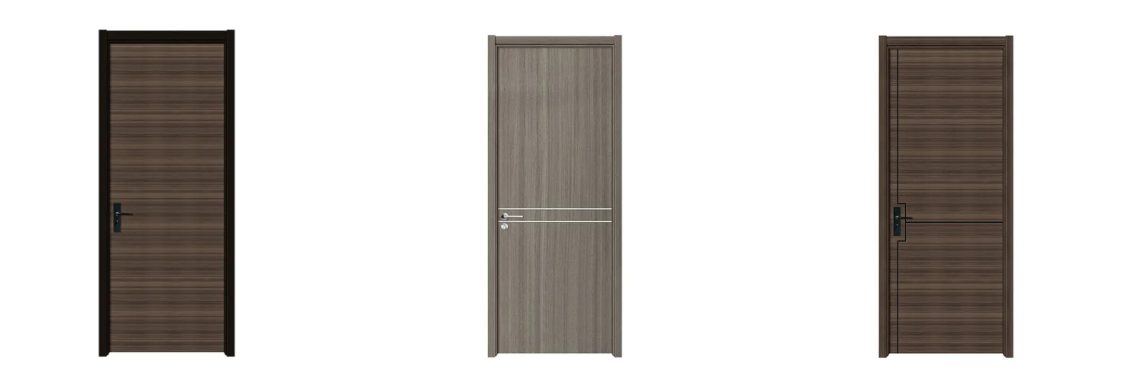
Swing doors also called hinged doors remain a common interior option. They pivot on side-mounted hinges and open inward outward or both ways depending on setup. Their straightforward design keeps them popular for reliable performance low cost and easy fit with many walls.
They come in single versions that swing left or right double pairs like French doors or in-swing and out-swing layouts based on room needs. These doors seal well for privacy and sound control install without much trouble and pair smoothly with various locks handles and hardware. They suit solid-core or fire-rated builds.
The main downside is the arc that needs clear floor space which can limit furniture placement in tight rooms and reduce flexibility in open layouts. Swing doors work nice in bedrooms bathrooms offices and storage spaces where privacy and quiet matter most.
Sliding Doors: Space Efficiency Meets Visual Flow
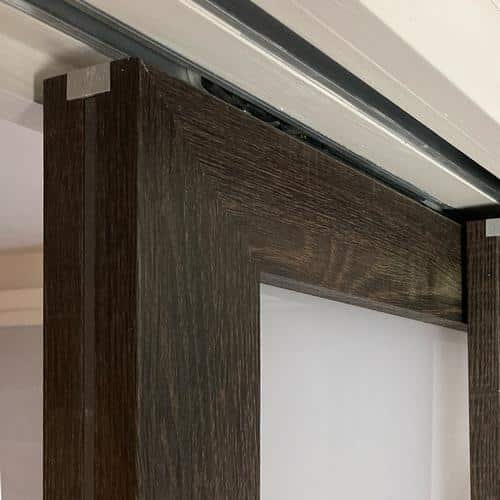
Sliding doors run horizontally on tracks either surface-mounted or recessed into a wall pocket. They glide alongside the wall instead of swinging so they save floor area. Wall-mounted versions stay visible while pocket types vanish into the cavity. Double panels are also common.
They fit well in small rooms narrow hallways or open-plan areas. The design allows flexible space division supports clean modern looks and lets in more light when glass is used. Sound blocking is usually weaker than with swing doors and installation must be precise for smooth running. Pocket types make later wall changes harder. These doors often connect living and dining areas kitchens and pantries or bedrooms with little clearance. In current homes they act as light dividers that keep sight lines open.
Folding Doors: Flexible Solutions for Large Openings
Folding doors known as bi-fold or accordion types use hinged panels that stack to one side or both when opened. This creates a wide clear passage. They often link living rooms to balconies or sunrooms divide big multi-use spaces or adapt meeting and studio areas.
The system gives generous opening width for the door size allows quick space changes comes in many materials and finishes and fits both homes and light commercial settings. Hardware is more involved upfront cost runs higher and tracks need careful alignment. These doors excel where you want to control openness and flow on demand rather than daily privacy.
Pocket Doors: Minimalism Hidden in the Wall
Pocket doors slide fully into a wall cavity when open so no panel remains visible. This approach frees up floor and wall space for a clean uncluttered look. They work especially well in bathrooms closets and utility rooms.
They need enough depth in the wall cavity and require planning during construction or renovation. Access to hardware can be tricky once installed. When planned early and built properly pocket doors nearly disappear which suits modern interiors focused on visual simplicity.
Pivot Doors: Architectural Statement Pieces
Pivot doors rotate on top and bottom pivots instead of side hinges. This setup handles wider heavier panels with smoother balanced motion and allows flexible opening angles.
They deliver strong visual presence suit oversized designs and often appear in luxury homes studios or gallery-like spaces. Precise engineering is essential cost is usually higher and sealing is not as tight as with standard hinged doors. These doors serve more as design features than everyday functional elements.
Barn Doors: Rustic Origins Modern Adaptations
Barn doors slide on exposed overhead tracks and started as farm-style doors but now feature refined finishes for homes. They add clear character install easily without altering walls and work as decorative partitions.
They leave visible gaps so sound and light control is limited and they do not suit fully private rooms. These doors fit suitable in living rooms lofts or transitional areas where style matters more than strict separation.
Material Choices and Their Impact on Door Performance
Interior door type is only part of the equation. Material selection significantly influences durability, acoustics, and aesthetics.
Common Interior Door Materials
| Material Type | Key Characteristics | Typical Use |
|---|---|---|
| Solid Wood | Natural texture, strong insulation | Bedrooms, studies |
| Engineered Wood | Stable, cost-effective | General interiors |
| Glass | Light transmission, modern feel | Living areas, offices |
| Metal Frame | Structural strength, slim profiles | Contemporary spaces |
| Composite Panels | Balanced performance | Multifunctional areas |
Material choice should align with door type. For example, sliding and folding doors often perform better with lighter panels, while swing doors benefit from heavier, solid-core construction.
Sound, Privacy, and Daily Comfort
One overlooked aspect of interior doors is acoustic performance. Different door types inherently provide different levels of sound control.
General Acoustic Performance Comparison
| Door Type | Sound Insulation Level |
|---|---|
| Solid swing door | High |
| Pocket door | Medium |
| Sliding door | Medium–Low |
| Folding door | Low–Medium |
| Glass door | Low (unless laminated) |
For bedrooms, home offices, and bathrooms, acoustic sealing should take priority over visual openness.
Choosing the Right Door for Each Space
Rather than selecting one door type for an entire home, better results come from matching door function to room usage.
Practical Room-by-Room Guide
-
Bedrooms: Solid swing doors or pocket doors with acoustic seals
-
Bathrooms: Swing or pocket doors with moisture-resistant cores
-
Kitchens: Sliding or swing doors depending on layout
-
Living areas: Sliding, folding, or glass-panel doors
-
Closets: Pocket or sliding doors
This targeted approach balances comfort, efficiency, and visual coherence.
Installation Quality and Long-Term Reliability
Even the well door design can fail if installation quality is poor. Track alignment, hinge placement, and frame tolerance all influence long-term performance.
Key factors to prioritize include:
-
Precision measurement
-
High-quality hardware
-
Proper wall preparation
-
Long-term maintenance access
Well-installed doors operate quietly, age gracefully, and reduce the likelihood of costly adjustments later.
Interior Doors and Sustainable Design
Sustainability has become an increasingly important consideration in interior construction. Door selection contributes through material sourcing, durability, and lifecycle efficiency.
Sustainable strategies include:
-
Using engineered wood to reduce solid timber consumption
-
Selecting durable hardware to extend service life
-
Designing adaptable spaces to reduce future renovation waste
Interior doors that remain functional and visually relevant over decades are inherently more sustainable than trend-driven replacements.
More Interior Door Design
Looking ahead, several developments are shaping the next generation of interior doors:
-
Slimmer frames with stronger materials
-
Integrated soft-close and concealed hardware
-
Increased use of glass and translucent panels
-
Customizable modular systems
Technology may also play a role, with smart locking systems and automated sliding mechanisms becoming more accessible.
Interior doors may appear simple, but their impact on daily life is substantial. From traditional swing doors to modern sliding, folding, and pivot systems, each type offers unique advantages when applied thoughtfully. The key lies in understanding real usage patterns, spatial constraints, and long-term expectations rather than following design trends blindly.
A well-considered interior door strategy improves not only how a space looks, but also how it feels to live and work within it—quietly supporting comfort, efficiency, and adaptability over time. For brands like Zhejiang Haibo Door Co., Ltd. which focus on precision manufacturing and functional design, interior doors are not just products but integral components of modern living environments.
 Previous


