


 русский
 Français
 Español
 Indonesia
 عربى
عربى



When you step through a doorway into a home or office the doors themselves often shape that initial sense of the space. At Haibo we have learned over years of production that doors maintained properly not only lift the entire interior appearance but also hold their worth far longer. Our Interior Door Factory builds every unit with careful attention to strength and detail so daily handling rarely causes problems. All the same even well-made doors gain from steady attention and cleaning suited to their particular surfaces. Those surfaces span everything from raw wood textures to smooth glossy coverings with each reacting differently to wear and care over the years.
Understanding Door Finishes
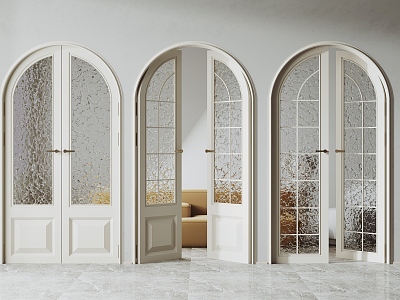
Homeowners and designers pick finishes based on both look and everyday demands. Natural wood carries a rich feel through visible grains in various hardwoods though it shifts with changing air moisture or strong light. Painted doors suit current styles by accepting any shade and different levels of shine where the underlying layers decide how well marks stay away. Laminated versions keep costs down by attaching printed sheets that imitate finer materials while veneered doors bond thin genuine wood slices for real texture yet both need gentle handling to stop edges from lifting or tones from dulling. Glass sections show up often in newer doors either fully clear lightly etched or deeply patterned to let light pass yet demand their own steps to stay spot-free without hurting nearby edges. Metal doors fit work zones or bold designs usually shielded by baked-on color layers that fight rust although close looks catch early spots before they grow.
Daily Maintenance Tips
Small steady actions block dirt layers and slow normal wear on nearly any door. Running a microfiber cloth across panels frames and corners pulls away dust without leaving scratches behind. Spills wiped up fast keep stains from setting especially where liquid can sink in; painted or synthetic faces take mild soap on a damp cloth while wood needs quick blotting instead. Hardware matters just as much because loose hinges or handles pull unevenly and eventually crack surrounding areas. A touch of lubricant quiets motion and cuts stress across the whole piece. Moisture control stands out since too much dampness swells materials warps shapes or clouds finishes so cloths stay only slightly wet and surfaces dry soon in open air.
Cleaning Techniques by Door Finish
Wood Doors Keep supplies simple with soft cloths mild wood cleaner or thinned dish soap and furniture polish when extra glow helps. Dust the whole panel first then wipe only along grain lines using the damp cloth. Dry right away to close pores and spread polish thinly for a light shield. Skip anything with ammonia since it eats protective coats fast. Shallow scratches smooth out under light sanding before matched stain blends the spot back in.
Painted Doors Mix warm water with mild detergent and use soft cloths plus gentle sponges. Dry wipe to clear loose bits then wash steadily across the surface. Tough spots loosen under easy circles but strong pressure chips paint away. Light rinsing lifts soap film and quick drying holds the chosen sheen. Gloss levels push dirt off easier while flat ones catch finger oils sooner. Small chips or nicks fill neatly with thin layers of matching paint.
Laminated and Veneered Doors Dry microfiber dusting starts the job then mild soap on a damp cloth follows grain direction. Fast drying keeps water from slipping under edges and polish brings back depth plus added guard. Strong sunlight bleeds color steadily so shade helps keep tones alive. Rough cleaners or pads scar the top layer quickly leaving lasting marks.
Glass or Frosted Inserts Put cleaner or thinned vinegar straight on a lint-free cloth to control drips away from frames. Wipe in wide circles then reach tight spots with swabs. Dry completely to stop water marks. Frosted areas take only soft soap since harsh liquids cloud the pattern for good.
Metal Doors Mild detergent on soft cloth lifts everyday grime then clean water rinses and thorough drying blocks rust starts. Metal polish spreads shine and lays down a thin guard in damp rooms. Frequent glances spot tiny rust early so treatment stays small.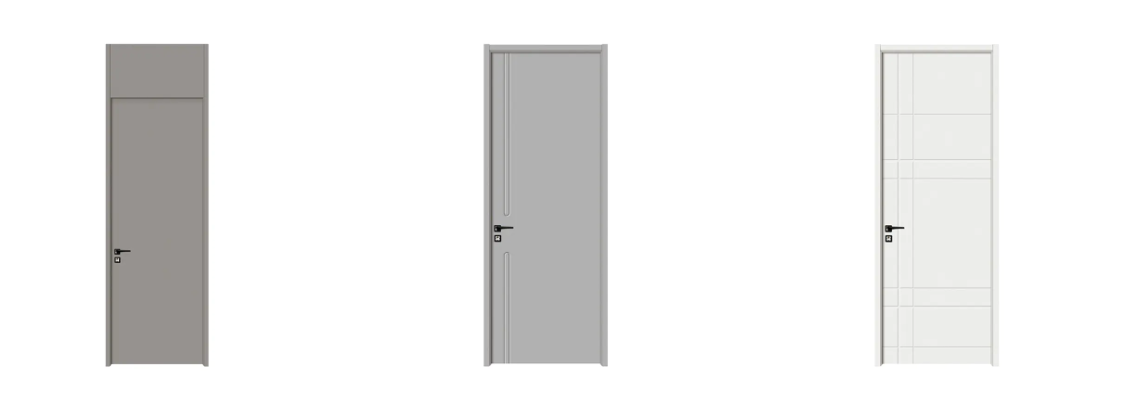
Additional Tips for Longevity
Room climate affects doors deeply especially those made from natural materials that grow or shrink with air changes. Even temperature and moderate moisture cut down on cracks or frame twists over seasons. Simple stoppers placed behind doors in busy paths soak up sudden bangs and spare panels from dents. Heavy-use spots last longer under thin wax or clear seal coats that brush off scuffs quietly. Twice-yearly checks turn up loose parts faint wear or hidden damp harm so fixes stay minor and cheap. Good airflow near kitchens or baths pushes steam away and cuts buildup on cool faces. Floor mats at entrances trap grit from shoes and spare lower door areas from grinding wear. Moving large items calls for padding anywhere contact might happen to dodge deep gouges on clean surfaces.
Interior doors keep their appeal and strength through regular watchful care plus cleaning matched to each surface and a few forward safeguards. Learning those separate needs turns basic chores into real protection that pays off steadily. Doors rolling out of Haibo door factory carry solid build quality rooted in selected materials and tight assembly methods. Still daily owner habits truly decide how long beauty and smooth operation last. People managing homes offices or design projects find that steady uncomplicated attention holds entrances passages and rooms looking sharp while guarding the original cost against early fade. This kind of upkeep supports both daily use and overall structure so doors stay ready to welcome people move quietly and add calm balance to inside spaces year after year.
 Previous


