


 русский
 Français
 Español
 Indonesia
 عربى
عربى



Choosing the right door style often shapes how a space feels long before furniture or décor comes into play. When planning a modern living environment, many buyers find themselves comparing two familiar options—flush and panel designs. For any Interior Door factory, this conversation comes up frequently because each style offers a distinct visual language, subtle functional differences, and varied compatibility with contemporary layouts. Understanding how these options behave in real homes can make the selection process far more intuitive.
Understanding the Two Styles in a Modern Context
Flush doors present a smooth, unbroken surface. Their appearance is quiet and understated, allowing surrounding elements like walls, lighting, or flooring to take the spotlight. Panel doors, on the other hand, include framed sections that create depth and visual rhythm. While traditionally associated with classic interiors, newer variations have adapted well to modern settings.
The distinction is not simply visual—it influences how a room is perceived. A flat surface tends to extend lines across a wall, making spaces feel continuous. A structured surface introduces shadow lines, which can either enrich or visually segment an area depending on the layout.
Visual Impact on Contemporary Interiors
In contemporary design, simplicity often plays a central role. Flush styles align naturally with this direction because they avoid decorative interruptions. They work especially well in open-plan homes where continuity matters.
Panel styles, however, are not excluded from modern aesthetics. With minimal framing and subtle proportions, they can add texture without overwhelming the design. The key lies in restraint.
How Each Style Shapes Perception
-
Flush surfaces create a seamless wall effect
-
Panel designs introduce depth and dimension
-
Smooth finishes reflect light more evenly
-
Structured faces cast gentle shadows
These small differences influence how light moves across a room and how spacious it feels.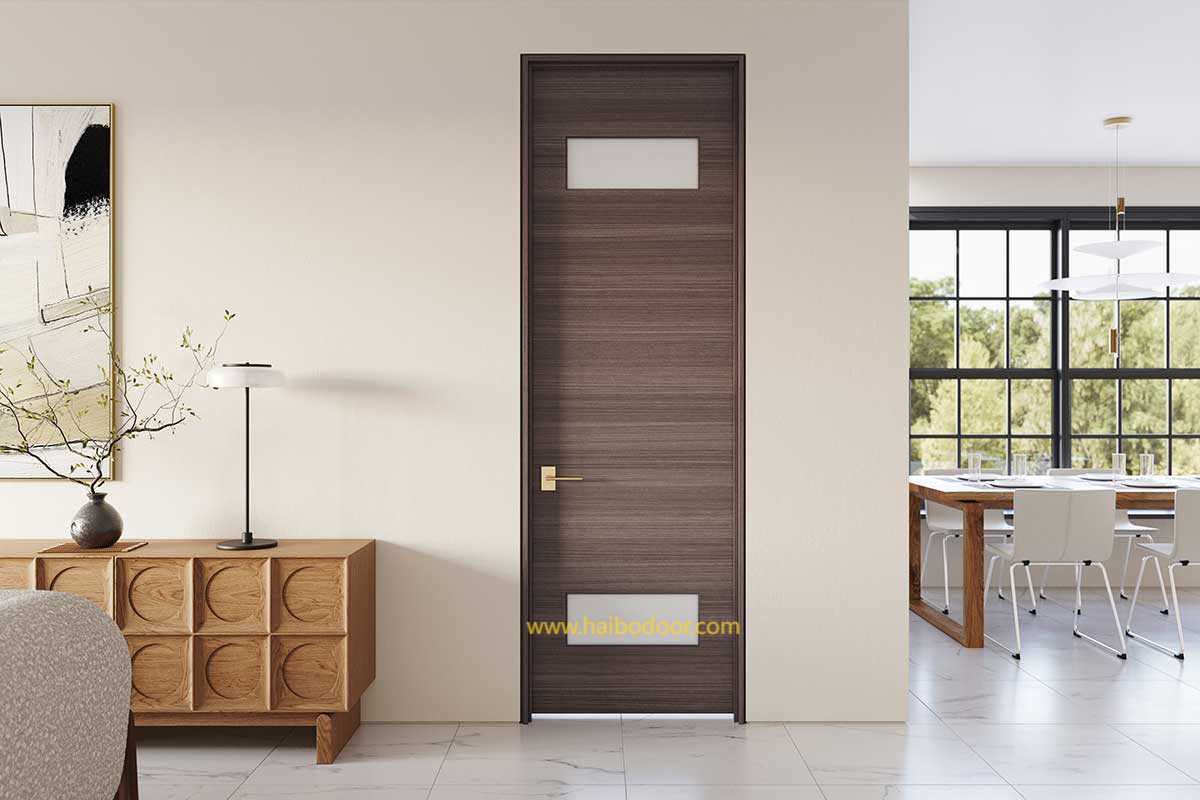
Material Compatibility and Finishes
Material choice often determines whether a door complements its surroundings. Both styles can be produced using a range of finishes, yet they behave differently depending on surface treatment.
Flush constructions typically pair well with veneers, laminates, or painted coatings. Their flat face allows finishes to appear consistent without interruption. Panel designs may highlight natural wood grain more effectively because the framing adds variation.
Common Finish Pairings
| Style Type | Suitable Finish Options | Visual Effect |
|---|---|---|
| Flush | Matte paint, laminate, veneer | Clean, uniform appearance |
| Panel | Natural wood, textured coating | Layered, dimensional look |
Selecting the right finish often matters more than choosing between styles, especially in contemporary spaces where color and texture carry strong influence.
Space Efficiency and Practical Use
Modern interiors frequently prioritize efficiency. In smaller spaces, visual simplicity can reduce clutter and create a calmer atmosphere. Flush doors contribute to this by blending into the wall, especially when painted in matching tones.
Panel doors may occupy slightly more visual attention due to their detailing. In larger rooms, this can actually enhance the environment by preventing surfaces from feeling too plain.
Practical Considerations
-
Flush doors are easier to clean due to flat surfaces
-
Panel doors may hide minor surface wear better
-
Smooth designs suit high-traffic areas with minimal maintenance
-
Framed designs can provide a more tactile feel when used frequently
Each option offers advantages depending on how the space is used daily.
Acoustic and Structural Characteristics
While appearance often drives decisions, performance also matters. Flush doors typically use a solid or engineered core, which can provide consistent sound insulation. Panel doors, depending on construction, may vary in density and acoustic behavior.
For residential environments, both styles can meet functional needs. The difference becomes noticeable only in specific conditions such as shared living spaces or work-from-home setups.
Integration with Modern Architecture
Contemporary interiors often feature straight lines, neutral palettes, and open layouts. Flush doors integrate seamlessly into this framework, especially when aligned with concealed frames or minimal hardware.
Panel doors require more careful coordination. Their design should echo other architectural elements such as cabinetry or wall detailing to avoid visual conflict.
Design Alignment Tips
-
Match door color with wall tone for subtle integration
-
Use consistent hardware finishes across the space
-
Align panel proportions with nearby design elements
-
Avoid overly complex patterns in minimal environments
These strategies help maintain balance regardless of the chosen style.
Cost and Manufacturing Flexibility
Production methods also influence decision-making. Flush doors are generally simpler to manufacture due to their uniform structure. This can allow greater flexibility in size, finish, and customization.
Panel doors involve more detailed craftsmanship, especially when multiple sections or materials are used. However, modern production techniques have made it possible to create streamlined panel designs suitable for contemporary interiors without excessive complexity.
For buyers working with a factory, customization options often matter more than base style. Dimensions, finishes, and internal structure can all be adjusted to meet project requirements.
When Flush Doors Make More Sense
Flush designs tend to work well in the following situations:
-
Compact apartments where visual simplicity enhances space
-
Minimalist interiors focused on clean lines
-
Offices or work areas requiring a calm atmosphere
-
Projects emphasizing continuity across multiple rooms
Their ability to blend into the background makes them a practical choice for environments where other elements take priority.
When Panel Doors Offer Advantages
Panel styles can be a better fit in cases such as:
-
Larger homes needing subtle visual variation
-
Interiors combining modern and transitional elements
-
Spaces where texture adds warmth
-
Rooms designed to feel more defined and structured
When executed with restraint, panel designs can complement contemporary aesthetics rather than compete with them.
Balancing Style with Personal Preference
Ultimately, the choice is not about which option is universally better. It depends on how the door interacts with the overall design language of the space. Some homeowners prefer the quiet presence of a flush surface, while others appreciate the subtle detail of a panel structure.
Rather than focusing solely on trends, it helps to consider how the door will feel in daily use. The tactile experience, visual harmony, and long-term maintenance all play a role in satisfaction.
A Closer Look at Selection Factors
Here is a quick reference list that can help guide the decision:
-
Room size and layout
-
Lighting conditions
-
Wall color and material
-
Desired level of visual detail
-
Maintenance expectations
Evaluating these factors together often leads to a more confident choice.
Crafting Doors for Modern Living
Behind every well-designed door is a thoughtful manufacturing process. Precision, material selection, and finishing techniques all contribute to how the final product performs in real environments. Working with a manufacturer that understands contemporary design needs can make a noticeable difference.
Customization has become increasingly important, especially for projects that require consistency across multiple rooms. From surface treatments to structural options, flexibility allows each door to align with the overall design vision.
At the end of the day, both flush and panel doors have a place in modern interiors. The difference lies in how they are applied and how well they integrate with surrounding elements. For those exploring tailored solutions and reliable production, Haibo continues to focus on creating doors that align with evolving interior preferences while supporting practical, everyday use.
 Previous


