


 русский
 Français
 Español
 Indonesia
 عربى
عربى



Interior doors are often one of the most overlooked elements in a building project, yet they quietly shape how a space looks, sounds, and functions every day. Whether you are renovating a single room or planning a large-scale project with Haibo Interior Door Factory, the decision goes far beyond appearance. Material, structure, opening method, and long-term durability all influence how well a door fits into daily life. Making the right choice means balancing design preferences with practical needs, budget realities, and future maintenance considerations.
Interior doors stand where architecture meets daily life. They shape the movement from one space to another, manage privacy, reduce noise transmission, and help maintain reasonable energy efficiency as well as general comfort in the home. When selected carefully a door tends to disappear into routine use and blend quietly with the surrounding architecture. When chosen carelessly it soon turns into a constant minor irritation.
Understanding the Role of Interior Doors in Modern Spaces
Interior doors do far more than separate one room from another. In today’s architecture they actively shape the way spaces connect and separate. Even in open-plan homes people still need moments of enclosure for quiet work areas bedrooms or bathrooms. In offices hotels and restaurants doors quietly direct movement control sound levels and preserve privacy while keeping the overall design uninterrupted.
Functionally they affect how sound moves through a building how natural light reaches different areas and how well temperature stays balanced between rooms. Visually they appear repeatedly throughout the interior so any inconsistency in style finish or proportion becomes noticeable very quickly. A better decision comes from considering these practical and aesthetic factors at the same time instead of viewing the door as an isolated item.
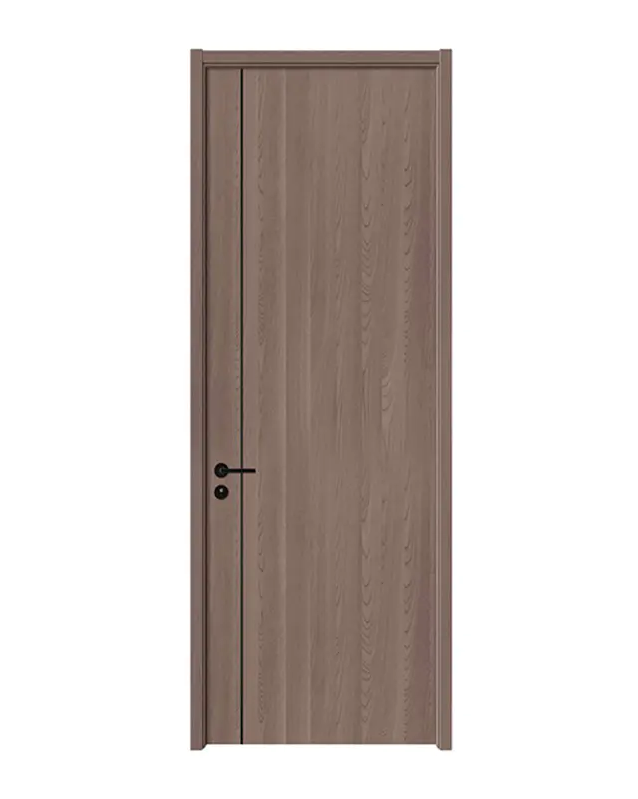
Common Interior Door Materials and Their Characteristics
Material choice usually sets the direction for everything else. Each option carries its own mix of looks durability cost and long-term behavior.
Solid wood doors carry a natural presence because of their visible grain and substantial feel. When well made they block sound effectively and last for many years. The main drawback appears in places where humidity or temperature swings are frequent because the wood can swell shrink or twist if the construction and finishing are not carefully controlled.
Engineered wood doors try to combine the attractive surface of real wood with greater dimensional stability. Composite cores laminated layers or stabilized veneers help them resist warping and cracking much better than solid timber in most homes especially where air conditioning heating or seasonal changes create challenging conditions.
Doors made from MDF or HDF have become standard in many contemporary projects. The perfectly flat surface accepts paint evenly and the material delivers reliable performance at a moderate price. They lack the warmth and depth of solid wood but in everyday residential and light commercial use they hold up consistently without major issues.
Fully glazed or partially glazed glass doors bring light deeper into the plan. Offices kitchens hallways and other connecting spaces often benefit from this quality of openness. Using tempered or laminated safety glass along with sturdy frames remains essential for safety strength and code compliance.
Aluminum-framed or metal doors appear less frequently in traditional homes but they have grown more common in loft-style industrial and very restrained minimalist interiors. The thin sightlines and high durability appeal to certain designers although matching them successfully to the rest of the space demands careful thought about color texture and overall mood.
Door Construction: What’s Inside Matters
The way a door is built internally affects its performance much more than most people realize. Solid core doors feel noticeably heavier because they contain a solid filler material—usually particleboard, MDF or a high-density composite. That added mass improves sound blocking considerably and gives the door a solid reassuring hand feel which is why they remain the first choice for bedrooms studies or any room where quiet and privacy matter most.
Hollow core doors on the other hand rely on a lightweight honeycomb or grid structure inside. The construction keeps weight and cost down and makes installation straightforward but the trade-off is much weaker sound control and a distinctly lighter thinner sensation when you operate them. They suit closets hallways or other low-traffic areas where noise reduction is not a priority.
Composite core doors fall somewhere in between. They layer different materials—sometimes combining particleboard with foam or stabilized wood components—to achieve reasonable strength stability and cost efficiency. Builders and developers often choose them for larger projects because they deliver more consistent results across many doors.
Knowing these construction differences explains why two doors that look almost identical on the surface can behave so differently after a few seasons of use.
Matching Door Types to Room Functions
Every room makes its own demands on a door so linking the door’s qualities to how the space is actually used helps narrow down the practical options.
Bedrooms usually need good acoustic separation together with a substantial feel that conveys privacy. Solid or solid-core doors are the most common choice here.
Bathrooms face constant humidity and temperature swings so the door must resist moisture. Materials and finishes that prevent swelling warping or surface deterioration become essential in these areas.
Kitchens frequently need to balance separation with some sense of connection. Doors that include one or more glass panels let light flow through while still containing cooking noise and odors when closed.
Living and dining areas tend to use doors sparingly but when they do appear the doors often play a stronger design role. Sliding systems or wide double-leaf doors offer flexible openness for gatherings or everyday family life.
Home offices have grown more important in recent years. In these rooms acoustic privacy smooth operation and a door that feels dependable during long working hours all contribute directly to daily comfort.
Swing Slide or Fold: Choosing the Right Opening Method
The mechanism that lets a door open and close shapes both its everyday usability and the amount of space it consumes.
Hinged swing doors remain the standard solution in most homes. They are mechanically simple to maintain and reliable over many years provided there is enough clearance for the swing arc.
Sliding doors work especially well when floor space is limited or when the goal is to create temporary room divisions. Whether surface-mounted or recessed they deliver a clean appearance but demand careful installation and good quality tracks and rollers to avoid sticking or noise problems later.
Pocket doors slide completely out of sight into a wall cavity which makes them one of the most space-efficient options. They are particularly useful in small rooms or tight hallways although they require accurate planning and sufficient wall depth during the building stage.
Bi-fold and multi-fold doors are practical for wide openings such as closets wardrobes or room dividers. They fold neatly to one or both sides allowing generous access while using very little swing space. The longevity of these systems depends heavily on the quality of the hinges tracks and rollers.
Design Consistency and Aesthetic Integration
Interior doors work best when they read as part of the larger architectural language rather than as separate additions. Color finish panel configuration and hardware details all need to align with the rest of the space.
In minimalist settings flush doors paired with concealed or minimal frames create the cleanest uninterrupted planes. Traditional interiors tend to rely on raised or recessed panels along with more pronounced frames and balanced proportions that feel familiar. Industrial or loft-like schemes frequently bring in metal edges visible wood grain or rawer textures to reinforce the overall character.
Even when a project mixes several door types a shared finish or consistent hardware family usually keeps the visual field calm and cohesive.
Acoustic Performance and Privacy Considerations
Noise management has become more important in today’s homes especially where multiple activities happen under one roof or in mixed-use buildings. Door thickness core density and the quality of perimeter sealing directly determine how well sound is contained.
Simple upgrades such as properly fitted frames gaskets and a solid threshold often deliver the biggest gains in sound reduction without requiring a different door slab. In bedrooms home offices or meeting rooms these seemingly small details can transform everyday comfort.
Privacy extends beyond acoustics to visual screening. Frosted glass selective glazing or strategically placed solid panels allow light to move while still providing the necessary separation between spaces.
Durability Maintenance and Long-Term Value
An interior door endures thousands of cycles during its lifetime so build quality in the hinges locks and surface treatment matters greatly.
Finishes should match the level of anticipated use. Painted surfaces sometimes need periodic touch-ups whereas laminated veneered or factory-applied durable coatings generally stand up better to scratches fingerprints and everyday wear.
Evaluating long-term value requires thinking past the purchase price. A door that holds its appearance function and mechanical reliability for many years typically costs less over time than one replaced every few years.
Sustainability and Responsible Material Choices
Environmental impact now plays a larger role in material selection for interiors. Increasing numbers of clients seek doors built from responsibly harvested timber low-VOC finishes and production methods that minimize waste.
Engineered wood products often use raw materials more efficiently than solid timber and water-based or plant-derived finishes help lower emissions indoors. Partnering with manufacturers that demonstrate clear sustainability practices makes it easier to support broader ecological aims through everyday choices like doors.
Customization vs. Standardization
Standard door sizes and configurations bring obvious advantages in cost speed of delivery and ease of installation making them the logical choice for the majority of residential and commercial projects.
Customization becomes worthwhile when openings deviate from standard dimensions when a very specific aesthetic vision is required or when particular performance needs demand unique core construction hardware placement or detailing. Although custom work involves more lead time and coordination the resulting doors can elevate the entire space especially in higher-end renovations or purpose-built environments.
Choosing between different interior doors is ultimately about understanding priorities. Function, aesthetics, budget, and long-term performance all play a role. Taking time to evaluate how each space is used and how the door will perform in that context leads to more satisfying outcomes. A well-chosen interior door quietly supports daily life, blending into the background while doing its job reliably. When design and function align, the result feels effortless rather than forced. As interior trends continue to evolve, the fundamentals remain the same: quality materials, thoughtful construction, and appropriate application. These principles guide manufacturers and designers alike, including brands such as Zhejiang Haibo Door Co., Ltd., which continue to focus on balanced solutions that meet real-world needs without unnecessary complexity.
 Previous


